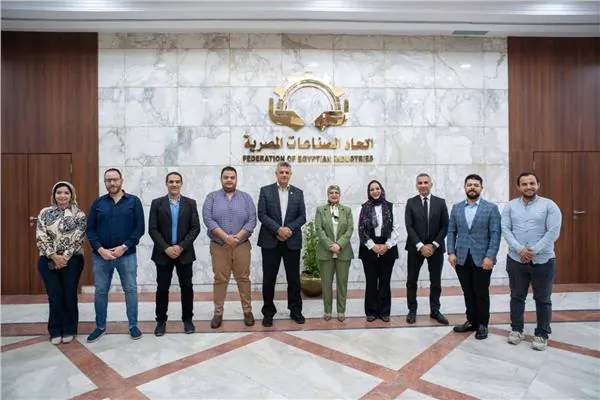
The Central Laboratory for Pesticide Residues and Heavy Metals, affiliated with Egypt's Ministry of Agriculture and Land Reclamation, recently concluded a specialized workshop in collaboration with the Food Industries Chamber. The event aimed to promote scientific and technical cooperation between research institutions and the private sector. The workshop was held in line with the Egyptian government's efforts to enhance food safety and develop the national food industry.
The workshop covered vital topics, including mechanisms for implementing risk analysis and critical control points throughout supply chains for strategic industries such as dairy products, juices, baked goods, and oils. Dr. Hind Abdel-Lah, director of the Central Laboratory for Pesticide Residues and Heavy Metals, highlighted the challenges related to pesticide residues and veterinary medications and their impact on Egyptian agricultural and food exports.
The European Union updated its technical requirements over the past two years, banning several active substances and reducing maximum residue limits. Dr. Abdel-Lah emphasized that laboratory inspection and examination of products throughout the supply chain ensure that the final product meets local and international specifications. This enhances the competitiveness of Egyptian exports, particularly fresh and frozen fruits and vegetables, and reduces random inspections at foreign ports.
The workshop also focused on the risks associated with mycotoxins, such as aflatoxins in peanuts and corn, and ochratoxins in grains and coffee. These toxins are heat-stable and resistant to cooking and pasteurization processes. Dr. Abdel-Lah stressed the importance of adopting accurate sampling methods and advanced chromatographic and visual analysis techniques to avoid rejecting shipments due to concentrated contaminated areas.
Controlling chemical and biological risks requires creating a precise "decision tree" and using a risk matrix that links the likelihood of risk occurrence to its severity. This approach enables the establishment of strict critical limits and immediate corrective actions. Dr. Abdel-Lah emphasized that protecting the agricultural and food manufacturing sectors is a matter of national and economic security.
Dr. Abdel-Lah highlighted the importance of relying on specialized reference laboratories like QCAP, which serve as an "insurance policy" for the reputation of Egyptian exports. She emphasized the need to transition from reactive management of rejection notifications to proactive risk management, starting with good agricultural practices in the field and culminating in precise laboratory testing.
The workshop aimed to promote a culture of food safety and quality, enabling Egyptian exports to meet international standards and access new markets. The event brought together experts from research institutions and the private sector to share knowledge and best practices in food safety and quality control.
Key points
- The workshop focused on implementing risk analysis and critical control points throughout supply chains.
- Laboratory inspection and examination ensure that products meet local and international specifications.
- Controlling chemical and biological risks requires precise decision-making and risk assessment.