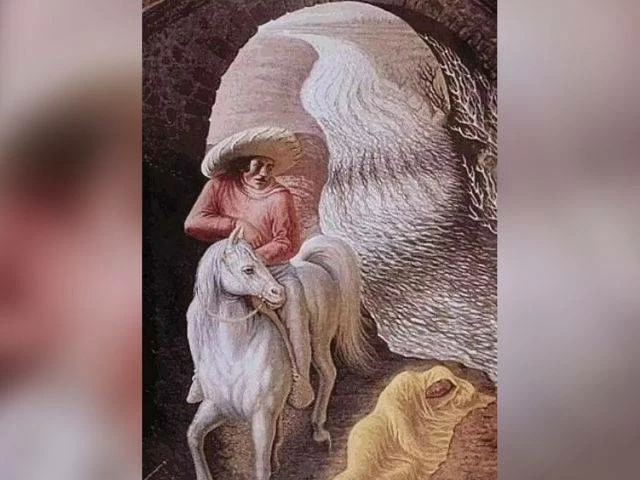
A visual test, widely discussed in Egypt, purports to uncover insights into one's approach to love and relationships. The test involves gazing at an image containing multiple scenes and identifying the first object or figure that catches one's attention. According to the test's interpretation, this initial perception may be linked to certain traits that influence how individuals navigate romantic relationships. The test has garnered significant attention, with many Egyptians eager to discover what it reveals about their approach to love.
The test's concept relies on a single image containing various elements that can be perceived differently by different people. Participants are asked to focus on the image and determine the first shape or figure that appears to them. The test's interpretation, as published, suggests that this initial perception may be associated with specific characteristics that shape one's interactions in romantic relationships. This approach has sparked curiosity, with many individuals seeking to understand what the test reveals about their personality and relationships.
If the first thing that catches one's attention is an elderly man's face, the test's interpretation suggests that this individual tends to focus on the bigger picture in relationships. They are less likely to be swept away by overly romantic gestures and instead prioritize the time, effort, and attention provided by their partner. According to the test, this individual believes that a successful relationship requires sustained effort from both parties. This approach is seen as a sign of maturity and a deep understanding of what relationships entail.
On the other hand, if one sees a man riding a horse first, the test indicates that this person values freedom and seeks a love that makes them feel appreciated and valued. They may prioritize feeling pursued and appreciated by their partner, and a lack of attention may lead them to reevaluate the relationship. This individual is seen as someone who values their independence and seeks a partner who respects and nurtures this aspect of their personality.
For those who see a girl lying by a river first, the test suggests that they may be more cautious when it comes to romantic relationships. While they desire to experience love, past experiences or fear of relationship failure may cause them to hesitate or consider giving up before the relationship progresses. This individual may be seen as someone who is guarded and protective of their emotions, requiring time and effort to build trust with their partner.
If the first thing that appears is a stone arch over the river, the test's interpretation links this to a love of adventure and a dislike of feeling confined. According to the test, this individual may fear that a romantic relationship could restrict their freedom and sense of adventure. As such, they may seek a partner who shares their love of exploration and novelty, rather than trying to change them. This approach is seen as a sign of a free-spirited and spontaneous personality.
The test has sparked widespread interest, with many individuals eager to share their experiences and compare their perceptions with others. Ultimately, the test's accuracy and validity remain subjective, leaving participants to ponder the insights it provides into their approach to love and relationships. As with any personality test, it is essential to approach the results with a critical and open-minded perspective, using them as a tool for self-reflection and growth rather than a definitive guide.
Key points
- The test claims to reveal insights into one's approach to love and relationships based on what they see first in an image.
- The test's interpretation links the initial perception to specific traits that shape one's interactions in romantic relationships.
- The test has garnered significant attention in Egypt, with many individuals eager to discover what it reveals about their approach to love.