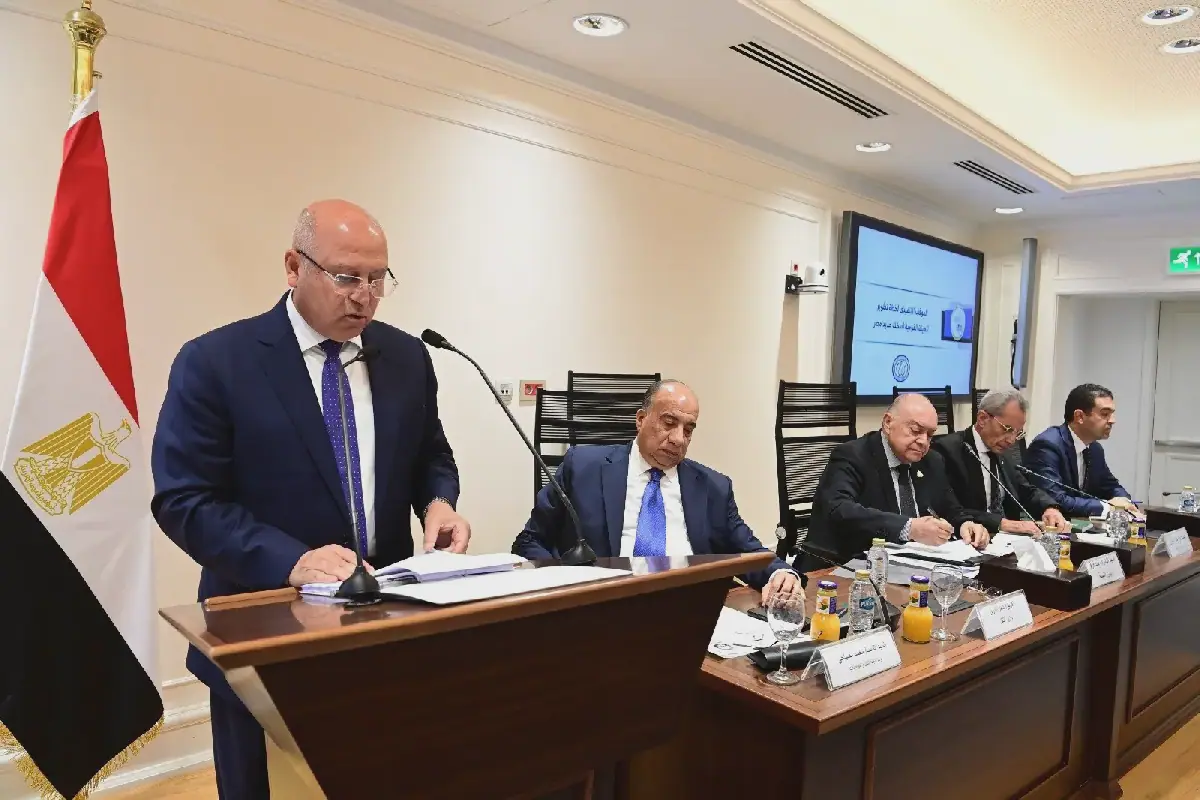
Egyptian Transport Minister Kamal El-Wazir has emphasized the importance of addressing errors and implementing corrective measures to prevent railway accidents. He noted that the state has invested heavily in upgrading the railway infrastructure, including new locomotives, carriages, and signalling systems, to improve services and ensure passenger safety. El-Wazir stressed that the goal is not only to hold individuals accountable for mistakes but also to identify and address the root causes of errors.
El-Wazir revealed that a new "penal training" system has been introduced, which involves providing additional training and disciplinary actions for employees who make repeated mistakes. This approach aims to correct behaviour and prevent future errors without immediately resorting to financial penalties or termination. The minister highlighted that this system is part of a broader effort to enhance the skills and accountability of railway staff.
The minister announced that the selection criteria for train drivers have been revised to require higher education or technical qualifications. This change is intended to ensure that drivers can effectively operate modern trains equipped with advanced technology and communication systems. El-Wazir also noted that new trains are being equipped with advanced signalling systems and monitoring devices to enhance safety and efficiency.
El-Wazir discussed the challenges facing the railway sector, particularly in areas with high traffic density, such as the Cairo-Aswan railway line. He cited the example of the Kfar Amar and El-Ayat sector, which is one of the busiest in Egypt, with multiple types of trains operating on it. The minister acknowledged that increasing the number of trains or adding new stations on this sector could exacerbate congestion and impact service reliability.
To address these challenges, El-Wazir mentioned that a committee from Cairo University's Faculty of Engineering has been tasked with studying solutions to improve safety and efficiency in the Kfar Amar and El-Ayat sector. The committee's recommendations will inform the development of new signalling systems and operational procedures. The minister also revealed that the ministry is investing in modern signalling systems and monitoring devices to enhance safety and efficiency.
El-Wazir emphasized the importance of enforcing safety protocols and monitoring train operations in real-time. He noted that the ministry is working to implement advanced signalling systems and communication networks to enable more efficient and safe train operation. The minister also stressed that train drivers and station staff must adhere to strict safety protocols and be held accountable for any lapses.
The minister provided an update on the investigation into a recent accident, stating that recordings from monitoring systems and communications have been handed over to the public prosecutor. He emphasized that the investigation aims to identify the causes of the accident and hold those responsible accountable. El-Wazir also announced that the ministry is reviewing working hours and schedules for railway staff to prevent fatigue and ensure safe operations.