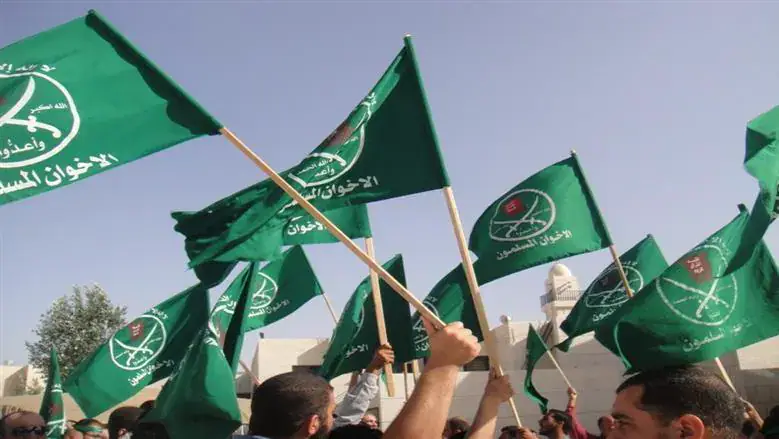
The Muslim Brotherhood is undergoing a significant transformation in its media strategy due to financial difficulties. According to researcher Maher Faraghi, the group is shifting from traditional satellite television to social media and digital platforms. This change is a result of the failure of their traditional media approach and the inability to sustain their satellite channels. The financial struggles have led to a reduction in staff and a 60% decrease in salaries for some employees.
The Muslim Brotherhood's media outlets, including the "Mekmlen" channel, are facing significant financial challenges. Faraghi notes that these challenges reflect the broader pressures faced by the group's media apparatus. The shift to digital platforms is not only a cost-cutting measure but also an attempt to find new tools to continue their media activities. The group's traditional media model, which relied heavily on satellite television, has not yielded the desired results.
The Muslim Brotherhood is using online polls and campaigns to promote its members and collect funding. Faraghi criticizes these efforts, stating that they are often used to create a false narrative and garner support for the group's members. These online polls, conducted within closed groups on social media, are not representative of public opinion and can be manipulated to serve the group's interests.
One example of these online efforts is the promotion of Yahya Musa, a terrorist figure associated with the Muslim Brotherhood. Faraghi argues that the group's attempts to present Musa as a popular figure are aimed at rebranding him and downplaying his connection to terrorist activities. This effort is part of a broader strategy to promote the group's members and sympathizers.
The Muslim Brotherhood's use of online campaigns and polls has raised questions about their legitimacy and transparency. Faraghi notes that these efforts are often used to create a facade of public support and to attract funding. The group's members, including Ahmed Abd al-Aziz, have been involved in promoting these online efforts, claiming that they reflect the will of the Egyptian people.
Researcher Maher Faraghi emphasizes the need to look beyond the Muslim Brotherhood's online campaigns and to examine their true goals and sources of funding. He argues that these efforts are not genuine expressions of public opinion but rather a tool for the group to promote its interests and attract funding. The group's media strategy is evolving, and its use of digital platforms is likely to continue.
The Muslim Brotherhood's financial struggles and media restructuring efforts reflect the group's broader challenges. The group's ability to adapt to these challenges and to find new ways to promote its interests will be crucial in determining its future influence. As the group continues to evolve its media strategy, it is likely to face ongoing scrutiny and criticism from Egyptian authorities and the public.
Key points
- The Muslim Brotherhood is shifting its media strategy from traditional satellite television to social media and digital platforms due to financial difficulties.
- The group's use of online polls and campaigns has raised questions about their legitimacy and transparency.
- Researcher Maher Faraghi emphasizes the need to examine the true goals and sources of funding behind the Muslim Brotherhood's online efforts.