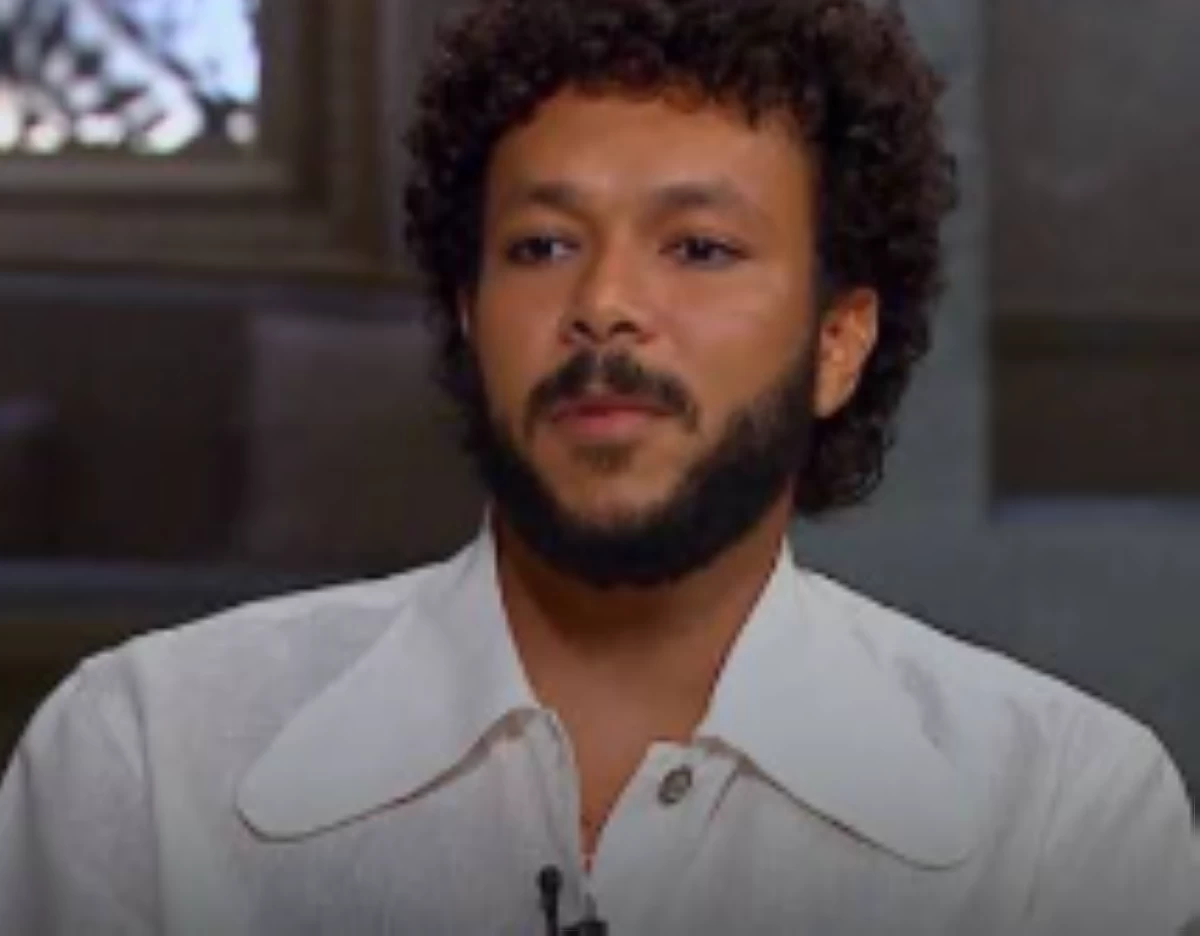
Egyptian rapper Wizgz has found himself at the center of a controversy after incorporating a phrase from a Hadith into his latest song. The phrase, "لكل امرئ ما نوى" or "every person gets what they intend," is part of a longer Hadith that reads, "Verily, actions are judged by their intentions, and every person gets what they intend." This inclusion has sparked a heated debate about the use of religious texts in musical works.
The controversy began when Islamic scholar Khalid Zaki took to social media to criticize Wizgz's use of the phrase, suggesting that it was not suitable for a song. Wizgz responded to the criticism, stating that he was unaware that the phrase was from a Hadith and asked for clarification on the religious ruling regarding the use of such phrases in songs. He expressed a willingness to modify the lyrics if necessary.
Wizgz's response was seen as a positive step by many, as he sought to understand the religious implications of his actions and was open to making changes. He stated, "I apologize for my ignorance, and I will change the lyrics that are not suitable for a song." This reaction has been welcomed by many of his fans, who appreciate his willingness to listen and adapt.
Dr. Hesham Rabie, a scholar from the Egyptian Dar al-Ifta, also weighed in on the controversy. He advised Wizgz to remove or modify the phrase, citing the importance of treating Hadiths with respect and dignity. Rabie emphasized that Hadiths are a significant part of Islamic heritage and should not be used in a frivolous or entertaining context.
The incident has sparked a broader discussion about the use of religious texts in art and entertainment. Many have praised Wizgz for his willingness to engage with scholars and consider their perspectives. The incident highlights the importance of understanding and respecting religious texts and traditions, even in creative works.
The controversy has also highlighted the role of Dar al-Ifta in providing guidance and advice on religious matters. Dr. Rabie invited Wizgz to visit the Dar al-Ifta to discuss the issue further and explore ways to ensure that artistic expression is balanced with respect for religious traditions.
In conclusion, the controversy surrounding Wizgz's song has sparked a necessary conversation about the use of religious texts in art and entertainment. Wizgz's willingness to listen and adapt has been seen as a positive step, and the incident has highlighted the importance of understanding and respecting religious traditions.
Key points
- Wizgz has sparked controversy with his use of a Hadith in his latest song.
- Islamic scholars have criticized Wizgz for his use of the phrase, citing the importance of treating Hadiths with respect and dignity.
- Wizgz has responded positively to the criticism, expressing a willingness to modify the lyrics and engage with scholars.