Egyptian professor of political science Hassan Salama has provided an in-depth analysis of the ongoing conflict in Yemen. He stated that in political science, a notion exists that every bullet fired must ultimately lead to a settlement. According to Salama, Yemen has entered a new phase with the announcement of operation "Dawn of Yemen," as developments in the confrontation are reshaping the balance of power on the ground.
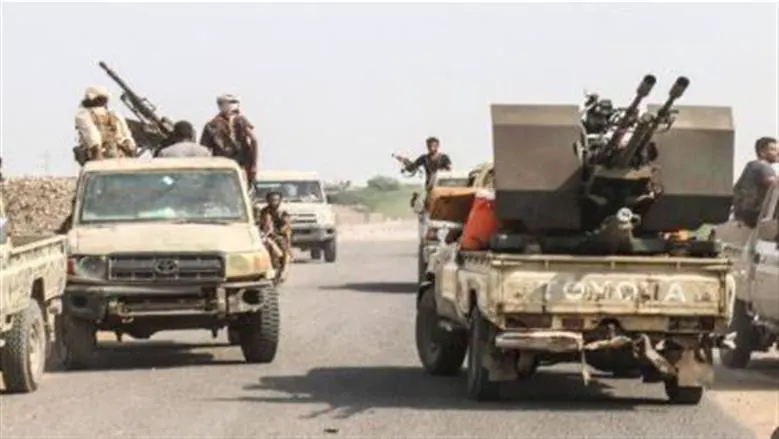
Salama explained that the Houthis attempted to override the legitimate authority and seized control of Sana'a in 2014. They also posed a threat to maritime security and the Arab national security of several countries. He noted that a military operation was initiated to adjust the balance of power, with some progress made on the ground. However, the situation remains fluid, with the Houthis regaining control of certain areas.
The professor emphasized that the ongoing military dynamics leave room for a political horizon. He stressed that a military resolution would require a significant amount of time, particularly given the Houthis' development of capabilities and external support. Salama indicated that a solution would ultimately depend on the balance of power and that the party able to achieve progress on the ground would have the upper hand in negotiations.
According to Salama, the military balance on the ground will determine the shape of negotiations and the conditions that can be imposed on the opposing party. He noted that if the legitimate forces achieve a complete and sustained advance, they would have the upper hand in negotiations. Conversely, if the balance of power between the two parties becomes more equal, they may reach a middle ground that satisfies the political demands of both sides.
Salama highlighted that both the political aspect and mutual interests will play a role in the eventual resolution. However, he emphasized that the military balance will be the decisive factor in shaping the negotiation process. The professor's analysis suggests that a lasting solution in Yemen will depend on the evolving dynamics on the ground.
The conflict in Yemen has been ongoing since 2014, when the Houthis seized control of Sana'a. The situation has been further complicated by external interventions and the development of military capabilities by the Houthis. Salama's insights provide a nuanced understanding of the complex dynamics at play in the Yemen conflict.
The Egyptian professor's comments were made in the context of recent developments in the Yemen conflict, including the announcement of operation "Dawn of Yemen." His analysis highlights the need for a comprehensive understanding of the military and political dynamics at play in the conflict.
Key points
- The military balance on the ground will determine the shape of negotiations in Yemen.
- A lasting solution in Yemen will depend on the evolving dynamics on the ground.
- The conflict in Yemen has been ongoing since 2014, when the Houthis seized control of Sana'a.