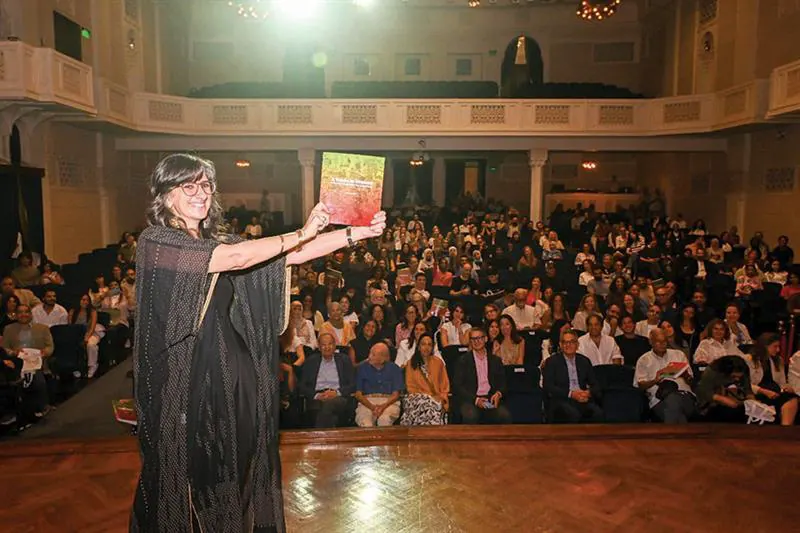
A new book titled "A Trade in Dreams: A Century of Egyptian Print Advertising" by Bahia Shehab explores the history of print advertising in Egypt from 1880 to 1980. The book is accompanied by an exhibition at the Future Gallery of the American University in Cairo (AUC). Shehab, a professor of practice in design and founder of the graphic design program at AUC, analyzes over 350 advertisements to understand how they reflected and shaped Egyptian society.
The exhibition features a selection of advertisements, consumer products, and original documents that showcase how commercial images influenced Egyptian tastes, desires, and imagination. The exhibition is divided into periods, offering a journey through the world of consumption. For example, advertisements from the 1950s reflect the commercial pluralism and cosmopolitanism inherited from the monarchy.
After 1952, and with the nationalizations of the 1960s, the advertisements transformed, shifting from imported products to a focus on national production, industrialization, and modernity promoted by the Nasserist state. The advertisements feature characters such as El Hanem, El Basha, El Nounou, El Nurse, and El Dealer, which embodied the ideals that consumers were expected to project.
The book and exhibition also highlight the role of women in advertisements, often depicted as aristocrats promoting cosmetics, with whiteness and wealth as attributes of the promoted benefits. The use of American stereotypes is also evident, such as a young woman emerging from a shower inviting viewers to try Nabulsi Farouk soap.
Shehab's work is informed by her experience in the advertising industry, which she worked in for about 10 years before becoming a teacher. She believes that contemporary advertising strategies are similar to those of the past, using fear, desire, and dreams, but with more aggressive targeting thanks to data and studies.
The book and exhibition aim to encourage critical thinking about the role of advertising in Egyptian society and its impact on behavior, consumption, and production. Shehab sees critical thinking as a vital skill for life, allowing individuals to understand their past, present, and future.
The exhibition features a range of products, including original advertisements, consumer goods, and documents, which provide a unique insight into Egypt's social and political history. The book and exhibition offer a nuanced understanding of the complex relationships between advertising, society, and culture in Egypt.
Key points
- The book "A Trade in Dreams: A Century of Egyptian Print Advertising" explores the history of print advertising in Egypt from 1880 to 1980.
- The accompanying exhibition at the AUC showcases advertisements, consumer products, and original documents that influenced Egyptian society.
- The author, Bahia Shehab, aims to encourage critical thinking about the role of advertising in shaping Egyptian culture and society.