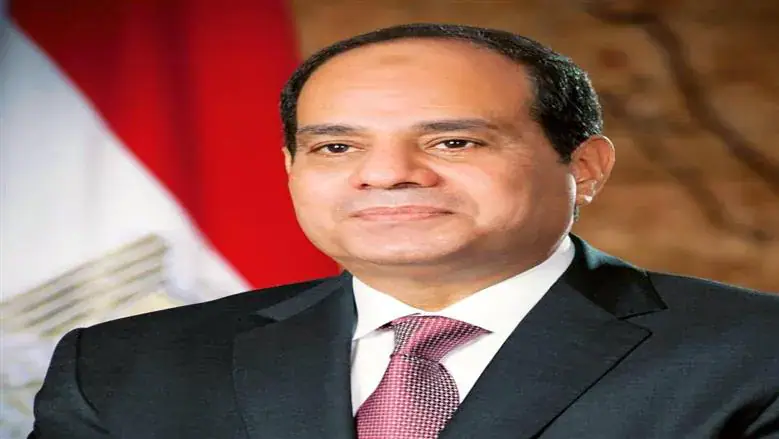
Egyptian President Abdel Fattah el-Sisi has emphasized the need for a comprehensive reform of the international financial system to support development in Africa and address global challenges. Speaking at the 6th Aswan Forum for Peace and Sustainable Development, President Sisi highlighted the importance of cooperation and collective action in addressing the complex challenges facing the world. He stressed that Africa must be a key partner in shaping the rules of the international system, rather than just being a recipient.
President Sisi noted that the current international landscape is marked by rapid developments and transformations, with interconnected regional and international crises affecting all countries. He pointed out that Africa is disproportionately affected by these challenges, facing both internal conflicts and the impacts of global crises, such as rising energy and food costs, and disrupted supply chains. The President emphasized that these challenges underscore the importance of the Aswan Forum in promoting African solutions to African problems.
In his address, President Sisi outlined three key messages. Firstly, he stressed that cooperation and collective action are essential in addressing global challenges, and that the existing shortcomings in the multilateral system must be addressed through reform, rather than abandonment. Secondly, he emphasized that Africa must play a leadership role in shaping the international system, rather than simply accepting its rules. Thirdly, he highlighted the need for a comprehensive African vision for managing global commons, prioritizing development and reducing inequality.
President Sisi emphasized that achieving these goals requires a fundamental reform of the international financial system, making it easier for developing countries to access long-term and affordable financing, and reducing debt burdens. He also stressed that building peace, reconstruction, and development in post-conflict situations is a pressing priority, requiring collective international action. The President expressed his confidence in Africa's ability to transform challenges into opportunities and contribute to a more secure, just, and prosperous future for all.
The Aswan Forum for Peace and Sustainable Development has established itself as a premier platform for discussing African challenges and opportunities, and for promoting cooperation between Africa and its international partners. The forum's previous five sessions have been successful in promoting dialogue and cooperation on key issues affecting the continent. This year's session brings together a diverse range of participants, including heads of state, government officials, and representatives from international organizations.
President Sisi's call for reform of the international financial system reflects a broader African demand for a more equitable and effective global architecture. The President's emphasis on African leadership and ownership in addressing global challenges is also reflective of a growing desire for greater autonomy and self-determination on the continent. As the world grapples with complex and interconnected challenges, the Aswan Forum provides a critical platform for promoting African perspectives and solutions.
The Aswan Forum is taking place in a city with a rich history and cultural significance, underscoring the importance of Egypt's role in promoting African development and cooperation. The forum's focus on peace, sustainable development, and international cooperation reflects the critical challenges facing Africa and the world, and the need for collective action to address them. As the forum concludes, participants are expected to agree on a set of recommendations and actions to promote African development and cooperation, and to support the implementation of the African Union's Agenda 2063.
Key points
- President Sisi calls for reform of the international financial system to support African development.