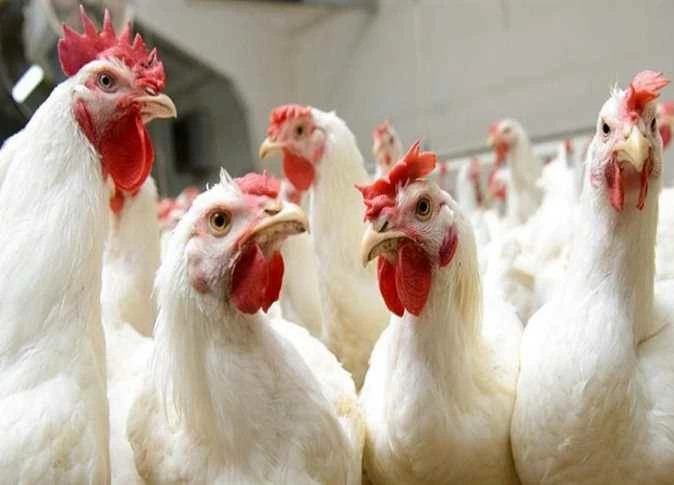
The Egyptian poultry market is bracing for potential price changes in the coming period, influenced by factors such as production costs, seasonal demand, and disease outbreaks. According to Dr. Abdul Aziz El-Sayed, head of the Poultry Division at the Egyptian Federation of Chambers of Commerce, the market is likely to experience fluctuations in prices due to these factors. The approaching winter season and increased demand for poultry and eggs during the school year are expected to impact prices.
The cost of animal feed is a significant factor affecting poultry production costs and, subsequently, prices. Any changes in feed prices directly impact the cost of raising poultry, which is then reflected in the final product price. Additionally, the onset of winter will increase the need for heating in farms, adding to the expenses borne by breeders during the production cycle.
Disease outbreaks are another factor that can influence the market, particularly if there is a high mortality rate, leading to a decrease in supply and impacting prices. The convergence of these factors makes it challenging to determine a definitive trend for poultry prices in the coming period. The market is also influenced by production costs, supply, and demand.
Currently, the price of poultry is around 71 pounds per kilogram at the farm. According to Dr. El-Sayed, a reasonable price for consumers would be between 80 and 83 pounds per kilogram, varying depending on the region and trading costs. The final price may differ from one area to another due to trading costs and merchant margins.
The egg market has also seen price increases, with a carton of eggs currently averaging around 120 pounds. This price is considered close to the fair value, given the high cost of animal feed. Egg producers previously incurred losses due to selling prices that did not cover actual production costs.
Some farm owners had to sell parts of their flocks at a loss, particularly when the flocks entered the production phase during a period when producers could not afford the feed costs. Continued production requires prices to cover actual costs, allowing producers to maintain their activity and ensuring a stable supply in the markets.
The Poultry Division head emphasized the importance of a fair price for producers that takes into account actual production costs, helping breeders continue their activities and limiting their exit from the market. He also called for stricter control over the intermediate links in the poultry and egg trading system, as producers bear a significant portion of market risks, while traders do not bear the same losses.
Key points
- The Egyptian poultry market is influenced by factors such as production costs, seasonal demand, and disease outbreaks.
- A reasonable price for consumers is expected to be between 80 and 83 pounds per kilogram.
- The Poultry Division head is calling for a fair price for producers and stricter control over the intermediate links in the poultry and egg trading system.