Egyptian politicians and party leaders have stressed that the country's presidential directives aim to enhance citizens' awareness and trust in state institutions. They added that these directives coincide with efforts to protect the internal front, counter rumors and misinformation, and promote direct communication with citizens. This approach seeks to build genuine awareness capable of addressing current challenges and bolstering society's ability to face attempts to undermine stability.
Dr. Al-Saeed Ghanem, head of the Conference Party and chairman of the party's parliamentary bloc in the Senate, highlighted that President Abdel Fattah El-Sisi's emphasis on awareness reflects the political leadership's understanding of the challenges facing society. Ghanem noted that building genuine awareness to counter rumors and attempts to spread frustration and skepticism about state institutions is crucial. He also pointed out that the President's emphasis on the importance of continuous institutional work to spread awareness and the collaboration of state institutions reflects a clear vision.
According to Dr. Essam Khalil, head of the Egyptian Free Party, the President's directives confirm that the core of state management goes beyond addressing specific problems to establishing a fundamental principle: prioritizing citizens. Khalil explained that the presidential focus on citizens' rights, market regulation, review of electricity bills, transportation, roads, and direct communication with citizens, as well as enforcing the law, sends a clear message to state agencies. This message emphasizes that achievement is not solely measured by the launch of new projects but by the services citizens receive.
Ismail Musa, a member of the House of Representatives, stated that the President's directives on enhancing citizens' awareness and addressing rumors, alongside attention to daily life issues, reflect a comprehensive vision. This vision aims to build a strong state with an aware citizenry capable of responding to their needs. Musa added that awareness has become a fundamental element in protecting society and enhancing its ability to face attempts to undermine and spread misinformation.
Dr. Al-Fet, another participant, highlighted the importance of providing documented information to build complete awareness. He emphasized that this approach helps in constructing a well-informed society. The discussions also underscored the need for collaboration among state institutions, political parties, and educational and media institutions to build genuine societal awareness.
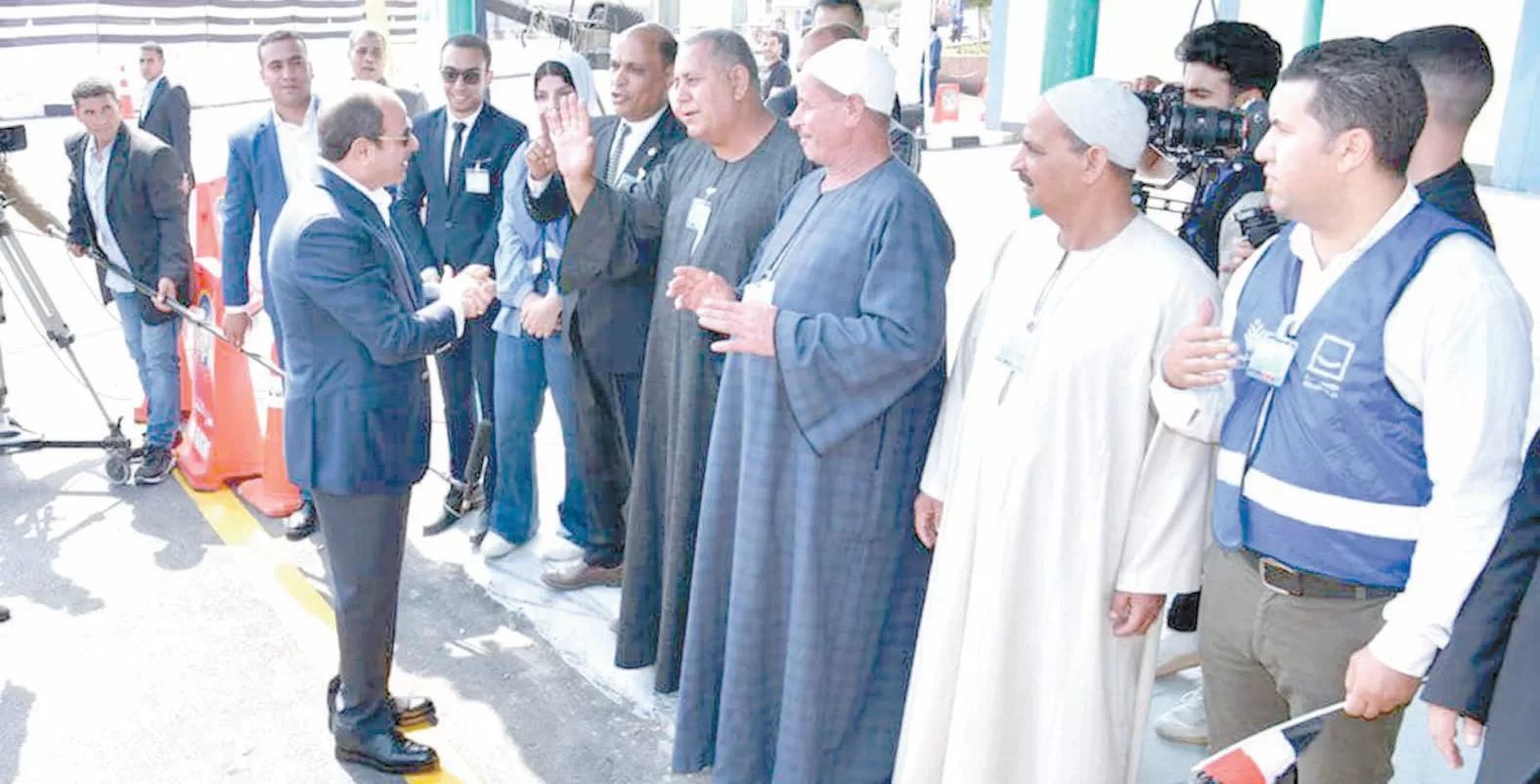
The politicians and party leaders also emphasized the role of local leaders and elders in communicating directly with citizens in villages and rural areas. They noted that these leaders have a significant impact on promoting trust, spreading awareness, and correcting misconceptions. This is particularly important in the current phase, where there is a need for integrating the roles of various institutions.
The discussions concluded with an emphasis on the importance of translating presidential directives into tangible actions that citizens can experience in their daily lives. The goal is to ensure that citizens feel the impact of these directives, which includes addressing their problems and enhancing their trust in state institutions. Key directives include providing services, regulating markets, and ensuring the rule of law.
Key points
- The Egyptian government is focusing on enhancing citizens' awareness and trust in state institutions.
- Politicians stress the importance of direct communication with citizens and addressing their needs.
- The goal is to build a strong state with an aware citizenry capable of responding to their needs.