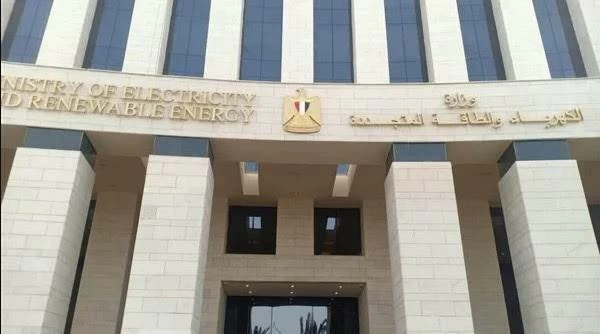
A parliamentary inquiry has been launched into the escalating debt of Egypt's electricity sector to the Ministry of Petroleum, which has reached 495 billion EGP as of July 2026. The inquiry, led by MP Meroe Boriess, aims to uncover the reasons behind the sector's financial struggles despite repeated price hikes and subsidized fuel supplies. The issue has raised concerns over the financial management of the sector and the potential burden on citizens.
The electricity sector's debt to the Ministry of Petroleum has been rising steadily, with a monthly fuel bill of approximately 24 billion EGP and average monthly payments of only 12 billion EGP. This has resulted in a continuous accumulation of debt, with 15 billion EGP added to the total each month. The sector's financial struggles have sparked concerns over the potential impact on citizens, who have already borne the brunt of repeated price hikes.
MP Meroe Boriess has questioned the justification for further price hikes, given that the sector continues to struggle with debt and relies on subsidized fuel. She has called for greater transparency in the sector's financial dealings, including the disclosure of production costs, fuel prices, and debt obligations. The inquiry aims to identify the root causes of the sector's financial struggles and determine who bears responsibility for the issue.
The parliamentary inquiry has also highlighted the broader implications of the sector's financial struggles, including the potential risks to the state's finances. The government's guarantees for the sector's debts have reached 5.294 trillion EGP, with the energy sector accounting for approximately 65% of this total. This has raised concerns over the potential burden on citizens and the need for greater fiscal responsibility.
The issue has sparked a wider debate over the management of Egypt's energy sector and the need for reform. The Egyptian government has implemented various measures aimed at improving the sector's financial sustainability, including price hikes and efforts to reduce energy consumption. However, the sector's financial struggles persist, highlighting the need for a more comprehensive approach to addressing the issue.
MP Boriess has emphasized the need for a clear and transparent plan to address the sector's financial struggles and prevent further debt accumulation. She has also highlighted the importance of accountability and good governance in the sector, calling for those responsible for the issue to be held accountable. The parliamentary inquiry is expected to shed light on the sector's financial dealings and identify potential solutions to the issue.
The Egyptian government's response to the issue remains unclear, but the parliamentary inquiry is expected to put pressure on policymakers to take action. The issue has significant implications for Egypt's energy sector and the broader economy, highlighting the need for a comprehensive and sustainable solution to the sector's financial struggles.
Key points
- The Egyptian electricity sector's debt to the Ministry of Petroleum has reached 495 billion EGP.
- The sector's financial struggles have sparked concerns over the potential impact on citizens and the state's finances.
- The parliamentary inquiry aims to uncover the root causes of the issue and identify potential solutions.