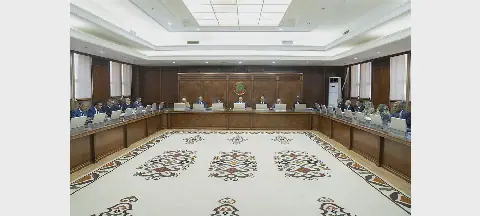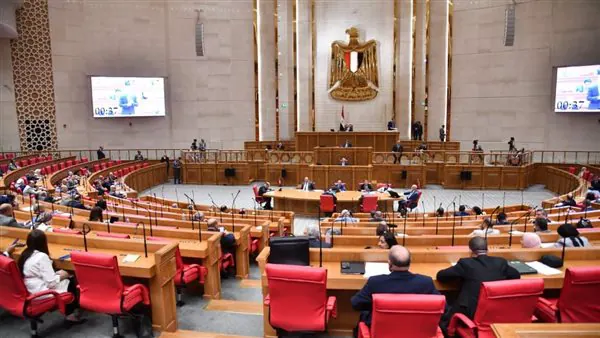
The Egyptian House of Representatives is set to convene on Thursday, October 1, 2026, to discuss President Abdel Fattah el-Sisi's objections to a bill establishing Kayan University for Applied Sciences within the armed forces. The bill, which has been added to the agenda, will be reviewed in light of the President's concerns regarding a specific article. The session will be chaired by Counselor Hesham Badawi.
According to the bill, students enrolled in the military branch of Kayan University's colleges and institutes will receive a monthly stipend equivalent to the first salary of a second lieutenant, along with legally stipulated compensation, once they attain the rank. This stipend will be effective from the date the rank is granted to their peers from the Egyptian Military Academy. Additionally, top-performing students will be eligible for an annual bonus based on conditions and regulations determined by each college or institute's internal bylaws.
Prime Minister Dr. Mostafa Madbouli will present a statement regarding the President's objections to the bill. Following his statement, the House of Representatives will refer the objections and related documents to a general committee, which is expected to be formed next week. This committee will examine the President's concerns and provide recommendations for further action.
According to the House of Representatives' internal regulations, there are two possible courses of action. Firstly, the House can reject the President's objections, making the law effective without requiring further approval from the President. Alternatively, if the House decides to consider the President's objections and amend the bill, a special committee will be formed to discuss and review the proposed changes.
The internal regulations of the House of Representatives outline specific procedures for handling presidential objections to legislation. If the President objects to a bill within 30 days of its approval by the House, the House must convene an emergency session to address the concerns. The House can then either accept or reject the objections, with a two-thirds majority vote required to override the President's objections.
If the House accepts the President's objections, a special committee will be formed to review and revise the bill in accordance with the President's concerns. The committee's recommendations will then be presented to the House for further discussion and voting. The House's decision will ultimately determine the fate of the Kayan University bill.
The proposed Kayan University aims to become a leading center for scientific research and a modern academic institution, aligned with international standards, to contribute to Egypt's sustainable development. The university's establishment is seen as a strategic move to enhance the country's educational and research capabilities.
Key points
- The Egyptian House of Representatives will review President Abdel Fattah el-Sisi's objections to the Kayan University law.
- The President's objections relate to a specific article granting stipends to military students.
- The House of Representatives can either reject or consider the President's objections, with a two-thirds majority vote required to override the objections.