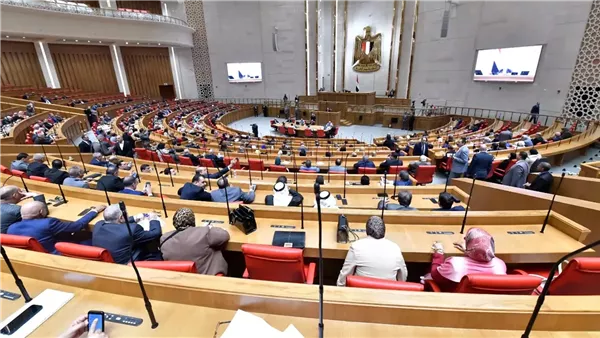
Dr. Mohamed Abdel Hamid, a member of the Egyptian House of Representatives, has submitted a parliamentary question to the government regarding the recent surge in transportation costs for goods and commodities across provinces. He expressed concerns that these increased costs are directly affecting product prices in the market. Abdel Hamid called for a new mechanism to address transportation as a fundamental component of the commodity pricing system, rather than just a cost borne by producers or traders that is ultimately passed on to citizens.
Abdel Hamid emphasized that any uncontrolled increase in transportation costs quickly reflects on food and basic commodity prices, particularly products transported over long distances from production areas to distribution centers and markets. This situation may lead to repeated price hikes that citizens can hardly afford. He also raised concerns about potential exploitation by some trading parties, who might use increased transportation costs as a justification for price increases that exceed actual operational cost hikes.
The parliament member questioned the government's measures to monitor transportation prices between provinces and prevent exploitation, especially during periods of high demand for essential goods transportation. He inquired about the existence of an electronic map detailing transportation costs for goods between provinces, which would help uncover unjustified price increases. Abdel Hamid stressed the need for transparent and fair pricing mechanisms to protect citizens from bearing additional, unjustified burdens.
Abdel Hamid further inquired whether the government is considering setting fair and announced margins for transportation costs of strategic goods. This would involve calculating actual transportation costs within a clear pricing system that prevents overpricing without harming transportation companies or truck owners. He suggested launching a program to support or reduce transportation costs for essential goods to areas in greater need, in coordination with provinces and the private sector.
The lawmaker called for the creation of a comprehensive database linking production areas, storage and distribution centers, and markets. This would enable real-time monitoring of transportation costs and detection of abnormal increases before they impact commodity prices. Abdel Hamid believes that controlling transportation costs can be a crucial step in curbing price hikes and protecting citizens from additional financial burdens.
Abdel Hamid stressed that market regulation should not solely focus on monitoring final prices but should start from the beginning of price formation, particularly transportation costs. He pointed out that regulating transportation costs could represent a vital key to controlling inflation waves and protecting citizens from unjustified additional costs.
The Egyptian government has yet to respond to Abdel Hamid's parliamentary question. The issue of rising transportation costs and its impact on commodity prices remains a pressing concern for citizens and lawmakers alike. As the situation continues to unfold, it is essential for the government to address these concerns and work towards establishing a fair and transparent pricing system that benefits all parties involved.
Key points
- Dr. Mohamed Abdel Hamid submitted a parliamentary question to address the surge in transportation costs and its impact on commodity prices in Egypt.
- The lawmaker called for a new mechanism to address transportation costs as a fundamental component of the commodity pricing system.
- Abdel Hamid emphasized the need for a comprehensive database to monitor transportation costs and detect abnormal increases.