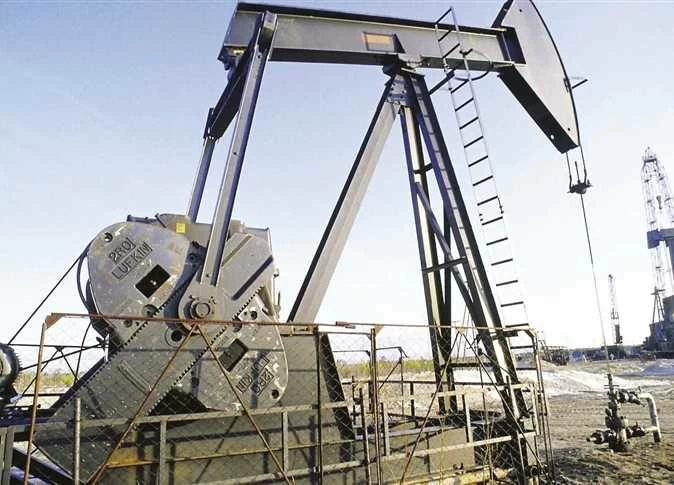
Egyptian parliament member Hussein Hreidi has submitted a question to the government regarding the significant increase in crude oil imports, despite reported rises in local production and decreased domestic consumption. According to Hreidi, Egypt plans to import around 7 million barrels of crude oil monthly in the last quarter of 2024, totaling approximately 21 million barrels. This marks a 250% increase from previous imports of about 2 million barrels per month.
The inquiry comes as Egypt's Ministry of Petroleum reported in July that the country's crude oil production reached its highest level in two years. Additionally, the ministry stated that refinery operations had increased to around 80%, attributing the growth in local production to reduced reliance on imports. However, Hreidi's question challenges the government's strategy, citing statements from the Prime Minister indicating decreased domestic consumption.
Hreidi is seeking clarification on several aspects, including Egypt's actual monthly production of crude oil and condensates from 2024 to 2026, as well as domestic consumption during the same period. He also requests details on planned and actual imports of crude oil and petroleum products, and the reasons behind the substantial increase in crude oil imports.
The parliament member's inquiry questions whether the increased imports aim to substitute for petroleum product imports through local refining, boost stockpiles, or enhance exports after refining. He also seeks information on corresponding quantities for each use and the net impact on Egypt's import bill.
Furthermore, Hreidi's question aims to understand how the government reconciles its announcement of increased local production and decreased consumption with the significant rise in crude oil imports. The lawmaker emphasizes the need for transparent data on production, consumption, imports, refining, and exports.
Hreidi stresses that the focus should not be solely on the value of imports, which is influenced by global prices, but rather on the quantities involved in Egypt's oil balance. By requesting detailed information, the parliament member seeks to scrutinize the government's strategy and ensure efficient management of the country's oil resources.
The Egyptian government's response to Hreidi's inquiry is yet to be made public. The issue highlights the complexities of Egypt's energy sector and the need for clear policies to manage the country's oil production, consumption, and trade.
Key points
- Egyptian parliament member Hussein Hreidi questions government's plan to increase crude oil imports despite rising local production.
- Egypt plans to import around 7 million barrels of crude oil monthly in the last quarter of 2024.
- The government's strategy has raised concerns about the country's energy sector management and import bill.