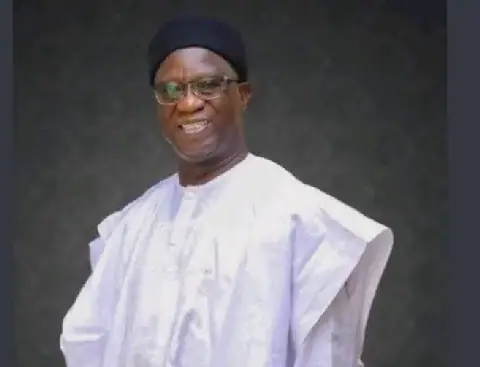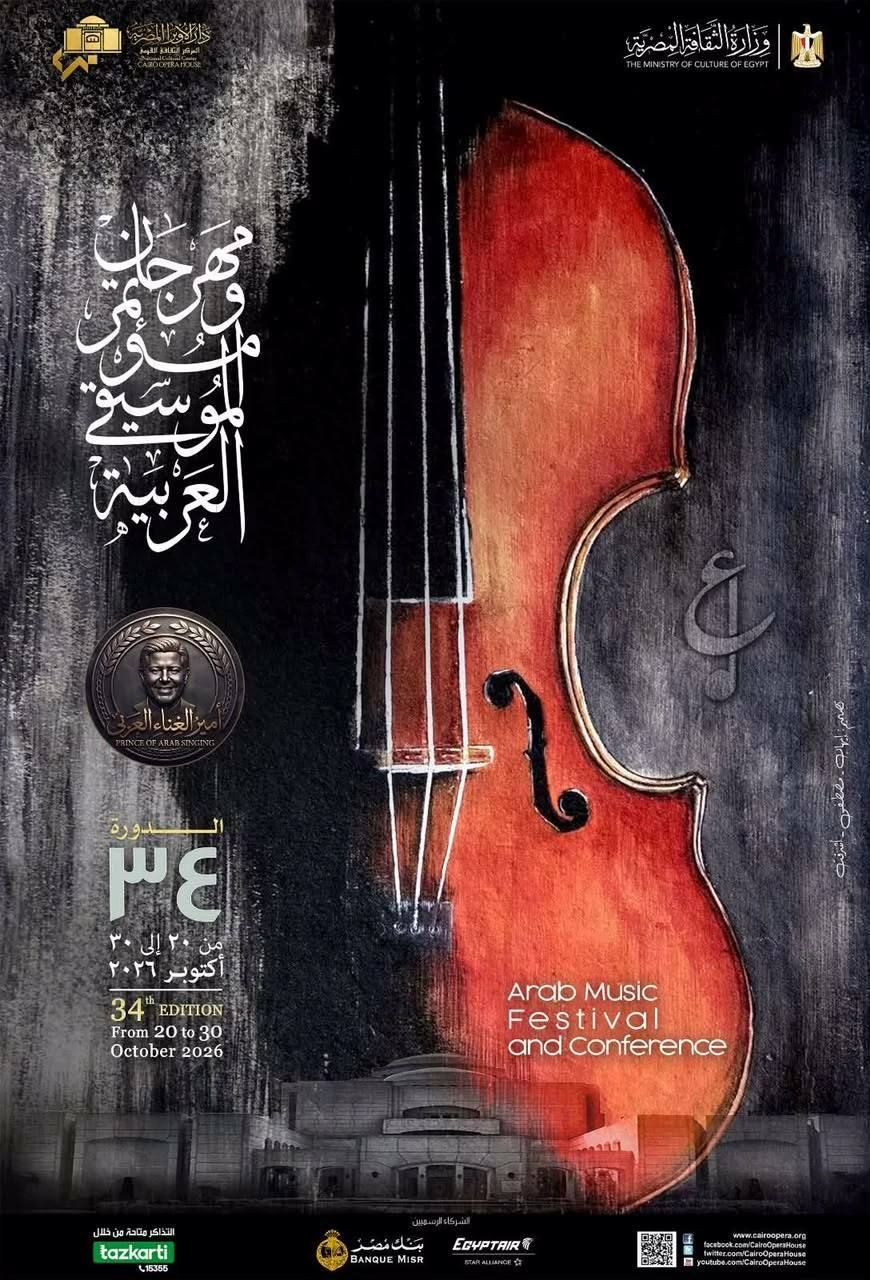
The 34th Arabic Music Festival has sparked controversy in Egypt's music scene, with several top singers absent from the lineup. Dr. Reda El-Wakil, head of the Egyptian Opera House, attributed the absence to the festival's limited budget. During a press conference, El-Wakil stated that Egypt's budget for the festival is not comparable to what other countries offer. He candidly admitted that Egypt does not have a lot of money to spend on the festival.
El-Wakil's comments drew a sharp rebuke from renowned musician Amir Abdel Majid. Abdel Majid took to social media to express his disappointment and frustration with El-Wakil's remarks. He argued that the absence of top singers cannot be justified by the festival's financial constraints. Abdel Majid emphasized that Egyptian music stars are the real value of the festival and that their absence undermines its credibility.
The controversy surrounding the festival's lineup has raised questions about the priorities of the organizers. Abdel Majid's criticism of El-Wakil's comments was seen as a personal attack, with some interpreting it as a clash between two prominent figures in Egypt's music industry. The debate has sparked a wider discussion about the state of Arabic music and the challenges faced by festivals like the Arabic Music Festival.
Despite the controversy, the festival will still feature a range of talented artists. Amal Maher and Assi El Helani are among the confirmed performers, and both have expressed their excitement about participating in the festival. Interestingly, both Maher and El Helani have stated that they will not receive any payment for their performances, highlighting the complexities of the festival's financial situation.
The 34th Arabic Music Festival aims to promote Arabic music and provide a platform for both established and emerging artists. While the absence of top singers has generated controversy, the festival's organizers remain committed to showcasing the best of Arabic music. The event will feature a diverse range of performances, including music, dance, and theater.
El-Wakil's comments have also sparked a wider debate about the funding of cultural events in Egypt. The country's cultural sector has faced significant challenges in recent years, with many events and institutions struggling to secure funding. The Arabic Music Festival is not immune to these challenges, and the controversy surrounding its lineup has highlighted the need for sustainable funding solutions.
As the festival gets underway, attention will focus on the performances and the response of the audience. The controversy surrounding the lineup has generated significant interest in the event, with many music fans eager to see how the festival will unfold. Despite the challenges, the Arabic Music Festival remains an important platform for promoting Arabic music and culture.
Key points
- Limited budget cited for absence of top singers at 34th Arabic Music Festival
- Controversy sparks debate about priorities of festival organizers and funding of cultural events in Egypt
- Festival to feature range of talented artists, including Amal Maher and Assi El Helani