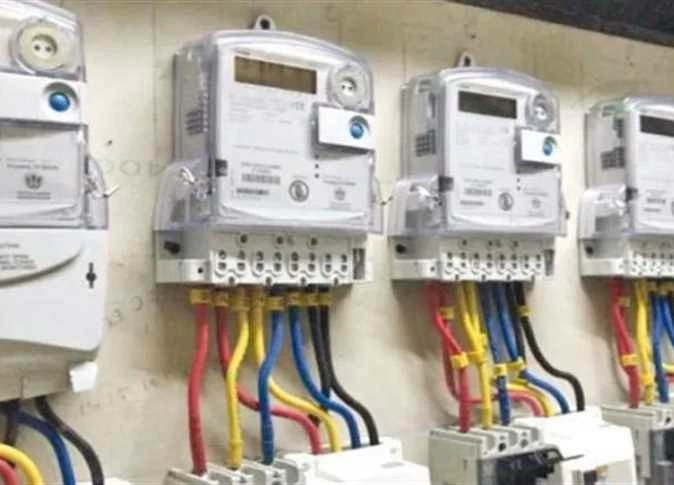
Egyptian Minister of Electricity and Renewable Energy, Dr. Mahmoud Essmat, has addressed the recent surge in prepaid electricity meter charges, attributing the increases to changes in consumption brackets and service fees. According to Essmat, the current system of electricity brackets distributes subsidies at varying rates, affecting the cost of consumption borne by citizens. The minister made these remarks during an interview with journalist Lamis Al-Hadidi on the "Al-Sura" program aired on Al-Nahar channel.
The Egyptian electricity sector operates on a tiered pricing system, comprising seven consumption brackets for household electricity, with subsidy rates ranging from 24% to 88%. Essmat noted that the first bracket receives the highest level of subsidy, while subsequent brackets receive decreasing levels of support, with the highest consumption bracket being nearly unsupported. This tiered system aims to distribute subsidies fairly, taking into account the varying consumption levels of households.
Approximately 7-8 million subscribers benefit from the first two brackets, which receive the largest share of subsidies. In the first bracket, consumers bear only around 24% of the actual electricity cost. As consumption increases, so does the proportion of the cost borne by the consumer, reaching around 40% in the third bracket. The household sector accounts for about 38-40% of Egypt's total electricity consumption.
A significant portion of Egyptian citizens, around 27 million subscribers, fall within the middle consumption brackets. The fourth and fifth brackets comprise substantial numbers of middle-class citizens. Essmat emphasized that revising the consumption brackets could potentially increase the ministry's revenue by around 17 billion Egyptian pounds. This could be achieved by recalculating each bracket from zero, directly impacting the cost borne by subscribers.
The minister clarified that the recent price increase did not affect the first consumption bracket. He stressed that reviewing subsidy distribution mechanisms aims to strike a balance between electricity production costs and citizens' financial burdens. Essmat highlighted that electricity production costs are influenced by fuel prices and turbine efficiency.
Egypt procures natural gas for electricity generation at a cost of approximately $4 per million British thermal units (BTUs), whereas industrial consumers may pay $14, $16, or $20 during crises. The government absorbs part of the difference between production costs and selling prices, in collaboration with the Ministry of Finance, to support various consumer brackets.
Essmat emphasized the importance of reviewing the subsidy system, improving operational efficiency, and reducing network losses to alleviate pressure on the state budget. He also stressed the need to consider citizens' socio-economic conditions when making decisions about electricity prices. The minister's explanations aim to provide clarity on the recent increases in prepaid electricity meter charges and the underlying factors influencing Egypt's electricity sector.
Key points
- The Egyptian government has not raised electricity prices for the first consumption bracket despite recent increases in prepaid meter charges.
- The tiered pricing system for electricity aims to distribute subsidies fairly among consumers based on their consumption levels.
- Revising consumption brackets could increase the Ministry of Electricity's revenue by around 17 billion Egyptian pounds.