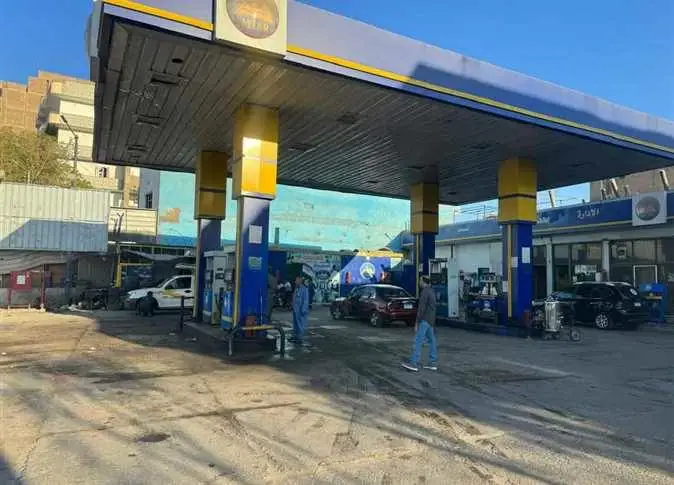
Egypt's former Petroleum Minister, Osama Kamal, has stated that tuk-tuks, agricultural tractors, and tricycles can continue to obtain fuel from supply stations as usual. He emphasized that no instructions have been issued to prevent the provision of petroleum products to these vehicles due to the absence of electronic stickers. This clarification was made during a phone interview with journalist Ahmed Musa on the program "On My Responsibility" broadcast on "Sada El-Balad" channel.
According to Minister Kamal, the Ministry of Petroleum has released a statement affirming that there are no decisions to prevent the fueling of tuk-tuks, agricultural tractors, or other vehicles. He explained that the controls aim to ensure that fuel is placed directly into the vehicle's designated tank, not into cans for resale outside of supply stations. This measure is intended to prevent tampering with petroleum products and to ensure that fuel is distributed fairly.
The new digital system for fuel distribution aims to limit the use of cans for transporting fuel and curb its trade outside of official stations. This will help to tighten control over distribution operations and prevent manipulation of petroleum products. By implementing this system, the government hopes to ensure that fuel subsidies reach their intended beneficiaries and that resources are not exploited for illicit gains.
In some regions of southern Egypt, particularly in Aswan, Shalatin, and Hasb, diesel prices have surged to 60-70 pounds per liter due to rampant illegal mining activities in the desert areas. The minister noted that these activities have led to fuel shortages and price hikes, affecting the local population.
The continuation of fuel smuggling and resale outside official channels recalls past periods of black market prevalence, despite government efforts to provide petroleum products and improve supply station services. The minister cited the example of fuel smuggling to the Gaza Strip during 2011-2013, where quantities reached nearly one million liters daily, resulting in hundreds of millions of dollars in profits for smugglers.
Minister Kamal stressed that the primary goal of the new system is to prevent black marketeering and manipulation of distribution rules, particularly the sale of fuel outside supply stations. He emphasized that petroleum products are subsidized by the state, and it is essential to tighten control over distribution to prevent exploitation of public resources and citizens' rights.
The regulation of fuel distribution aims to guarantee that products reach their rightful recipients, protect state resources, and prevent the misuse of subsidies for illicit gains. Minister Kamal concluded that securing energy supplies is crucial, not only for traditional fuels but also for aviation fuel, especially in the face of global uncertainty and rapid regional and international developments.
Key points
- The Egyptian government has not issued any decisions to prevent the fueling of tuk-tuks and agricultural vehicles without electronic stickers.
- The new digital system for fuel distribution aims to limit the use of cans for transporting fuel and curb its trade outside of official stations.
- Fuel smuggling and resale outside official channels have led to shortages and price hikes in some regions of Egypt.