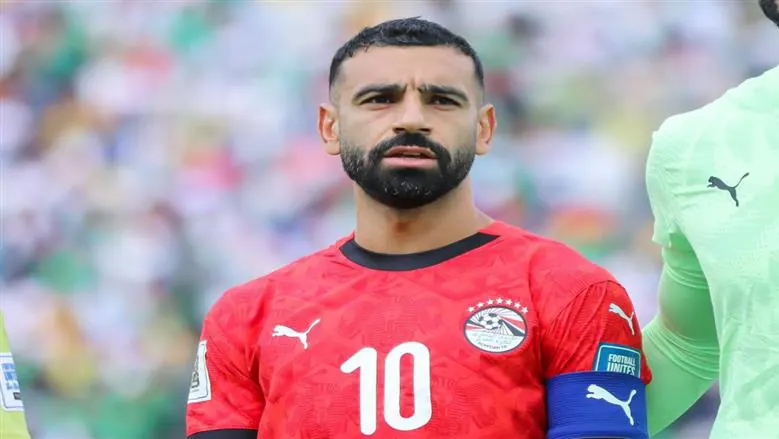
Egyptian sports media personality Mohamed Shabana revealed the reasons behind the absence of star player Mohamed Salah from Egypt's match against South Sudan. According to Shabana, Salah's absence was not due to fear of injury or dissatisfaction with being substituted during the Angola match. Instead, it was a prior agreement with Egyptian Football Association officials for family reasons. Salah's son was reportedly in need of certain vaccinations before traveling, and the player requested to miss the match to be with his son.
Shabana made these revelations during an appearance on the "Number One" program broadcast on CBC. He mentioned that the match against Angola was expected to be a celebratory occasion, given Egypt's performance in the World Cup. However, the match took a tense turn following comments made by national team manager Hossam Hassan before the game regarding Mohamed El-Shenawy. Hassan's comments seemed to create a stir, affecting the team's dynamics.
The sports media figure also expressed skepticism about the idea that players avoid matches on artificial turf due to fear of injury. He pointed out that if artificial turf were truly as hazardous as claimed, the International Football Federation would not permit official matches to be played on such surfaces. Shabana's comments suggest that there may be more to the story than initially meets the eye.
Shabana denied reports that Salah's absence was due to concerns about injury or frustration with being substituted during the Angola match. Instead, he emphasized that Salah had agreed with Hani Abu Reida, head of the Egyptian Football Association, and Hassan to miss the South Sudan match. The reason cited was Salah's son, Lel, who required his father's presence for two days due to health concerns.
According to Shabana, Salah's son has weakened immunity, and there is a virus circulating in Sudan. As a result, Salah needed to stay with his son to ensure he received necessary care. This situation highlights the challenges athletes face in balancing their professional and personal lives.
Shabana also touched on the stance of European clubs regarding their players' participation in international matches. He noted that some clubs, such as French club Nice, have formally requested that their players not be called up for national duty. This raises questions about the differing approaches to player welfare and national team commitments.
The incident has sparked debate about how player injuries and concerns are handled, particularly in comparison to the precautions taken by European clubs. The differing priorities and approaches to athlete welfare have come under scrutiny, with Shabana's comments adding fuel to the discussion.
Key points
- Mohamed Salah's absence from Egypt's match against South Sudan was due to family reasons, specifically to care for his son who required certain vaccinations.