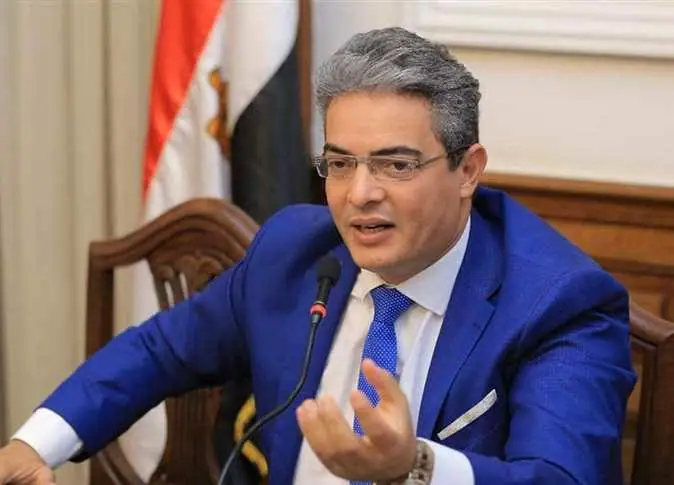
The Egyptian Media Union has announced guidelines for content creators to join the union, emphasizing the importance of adhering to professional ethics and standards. According to Dr. Tarek Saada, head of the union, joining the union is not automatic, even with legal recognition of electronic media. The union aims to ensure that content creators meet specific criteria, maintaining the integrity of the profession.
Dr. Saada explained that Law 180 of 2018, issued by the Supreme Council for Media Regulation, recognizes visual, audio, and electronic media. The law defines media as any broadcast, whether radio, television, or electronic, that reaches the public or specific segments through various communication channels. This definition encompasses a wide range of media platforms, including traditional and digital outlets.
The law also defines electronic media as including signals, images, sounds, graphics, and writings transmitted through wired, wireless, digital, and other modern technologies. Dr. Saada noted that the phrase "and other modern technologies" reflects the legislator's awareness of the continuous evolution in communication tools. This ensures that the legal framework can adapt to new technologies used in broadcasting and content transmission.
The Media Union's law also defines media outlets, including radio and television stations, and electronic platforms that have obtained licenses. This confirms that the legal framework for media work extends to electronic means, not just traditional television and radio channels. The union's regulations cover media outlets owned by individuals, private entities, the state, or various institutions.
Dr. Saada referred to specific articles in the law, namely articles 54, 55, 65, and 67, which outline the legal controls for licensing media outlets and platforms that provide audio or visual content. He emphasized that these regulations are essential for maintaining professional standards in the media industry.
The media landscape, according to Dr. Saada, operates on two main tracks: traditional media, which includes television channels and radio stations, and electronic media, which has become a recognized reality globally and has a legislative basis in Egypt. He stressed that the emergence of new media outlets does not render previous ones obsolete, citing the example of television not replacing radio.
Dr. Saada emphasized the need to understand technological advancements within a regulated legal and professional framework that preserves specialization and professional standards. He concluded that regulating electronic media practitioners must be linked to a genuine commitment to professional ethics and responsibility towards the public, rather than simply owning a platform or publishing content on social media.
Key points
- The Egyptian Media Union has set guidelines for content creators to join, emphasizing adherence to professional ethics and standards.
- The union's regulations cover various media outlets, including electronic platforms that have obtained licenses.
- Dr. Tarek Saada stresses the importance of a regulated framework to maintain professional standards in the media industry.