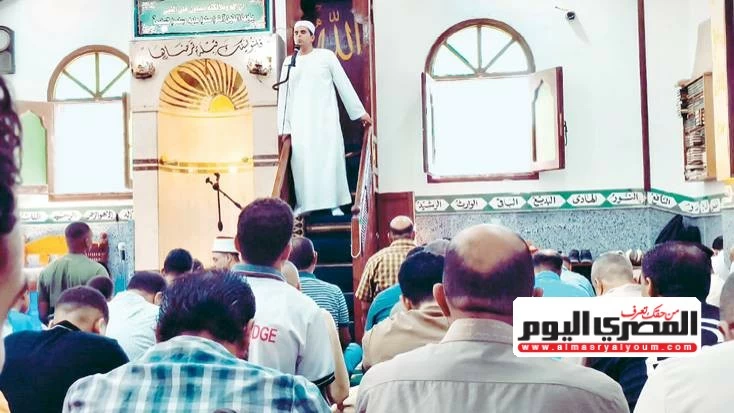
In a Friday sermon titled "The Sanctity of Photographing Individuals Without Permission," imams in Egypt emphasized the importance of respecting individuals' private lives and not photographing them without consent. They stated that the sanctity of privacy extends beyond physical spaces to digital and virtual realms. Just as individuals are prohibited from causing harm in the physical world, they are also prohibited from causing harm in the digital world. The imams stressed that preserving the sanctity of homes and reputations in the physical world must be matched by preserving the sanctity of images, information, and private lives online.
The imams warned that the rapid dissemination of information online does not justify violating individuals' rights. A single click can have lasting consequences, and a carelessly taken photograph can cause lasting harm to the person being photographed. They also noted that a thoughtlessly written word can open the door to great harm and strife that is difficult to undo. The sermon aimed to raise awareness about the importance of respecting individuals' private lives and the potential consequences of violating that privacy.
Dr. Muhammad Mahna, a professor of international law at Al-Azhar University, supported the imams' stance, citing Islamic teachings that emphasize the importance of respecting individuals' privacy. He noted that the Quran and the Prophet's teachings prohibit eavesdropping and spying on others, and that intentionally photographing individuals without their consent is a clear violation of their rights. Dr. Mahna emphasized that privacy is a fundamental right that must be respected, and that violating it can cause harm and infringe on individuals' rights.
Dr. Yasser Abdel Aziz, a media expert, acknowledged that the sermon was well-intentioned and logical, but noted that there are situations where photography is necessary to protect rights, expose legal violations, or promote the public interest. He argued that the key issue is not photography itself, but rather the purpose behind it. If the intention is to promote a legitimate goal, then photography can be justified. However, if the intention is to harm or exploit individuals, then it is not acceptable.
The sermon and the subsequent discussions highlight the complexities of balancing individual rights and freedoms in the digital age. While respecting individuals' privacy is essential, there are also situations where photography and online publication can serve a greater good. The discussions also underscore the need for greater awareness and education about the importance of respecting individuals' private lives and the potential consequences of violating that privacy.
The Egyptian government and religious institutions have a role to play in promoting awareness and education about online etiquette and the importance of respecting individuals' private lives. By emphasizing the importance of consent and respect for privacy, imams and other community leaders can help promote a culture of responsibility and respect online. This can help mitigate the risks associated with online photography and publication.
Ultimately, finding a balance between individual rights and freedoms will require ongoing dialogue and education. By engaging with these issues and promoting awareness and understanding, individuals and institutions can work together to create a safer and more respectful online environment. This will require a sustained effort to promote education and awareness about online etiquette and the importance of respecting individuals' private lives.
Key points
- Imams in Egypt are warning against photographing individuals without consent, citing Islamic teachings that emphasize the importance of respecting individuals' privacy.
- The discussions highlight the complexities of balancing individual rights and freedoms in the digital age.
- Education and awareness are essential to promoting a culture of responsibility and respect online.