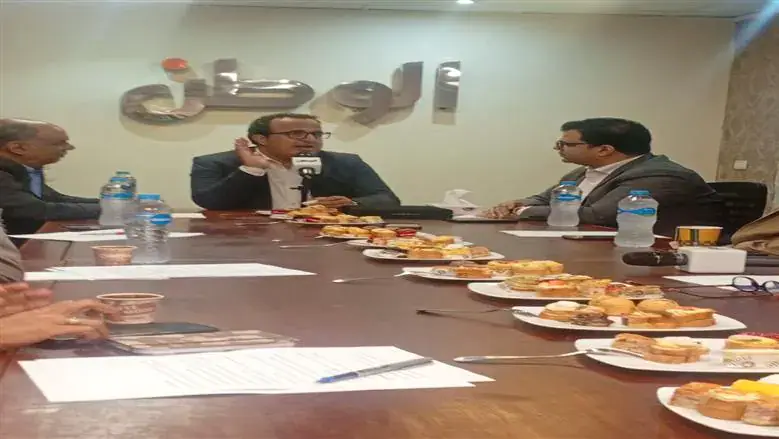
Dr. Ibrahim El-Assal, a professor of Islamic history and civilization, recently participated in a seminar hosted by Al-Watan newspaper. He emphasized that Egypt has a unique ability to absorb and interact with various cultures and civilizations throughout its history. This characteristic has allowed the country to leave its mark on the civilizations that have passed through it.
According to Dr. El-Assal, Egypt has been able to assimilate and adapt to different cultures, making them a part of its own identity. He stated that confining Egypt's identity to one specific era or civilization, such as the pharaonic or Islamic periods, is an example of intellectual extremism. This perspective, he believes, is based on a misunderstanding of Egypt's history and national identity.
The seminar, which was held at Al-Watan newspaper's headquarters, focused on discussing Islamic history and civilization. The event aimed to highlight significant historical milestones and intellectual issues related to this field. Dr. El-Assal's speech was part of the discussions, which sought to provide a deeper understanding of Egypt's rich cultural heritage.
Dr. El-Assal's comments come at a time when there is an ongoing debate about Egypt's national identity. Some argue that the country's identity should be defined by its ancient pharaonic heritage, while others believe that its Islamic roots are more significant. Dr. El-Assal's remarks suggest that such a narrow definition is limiting and does not accurately reflect the complexity of Egyptian history and culture.
The historian emphasized that Egypt's history is characterized by a long process of cultural and civilizational accumulation. He argued that this accumulation has shaped the country's unique identity, which is capable of embracing and interacting with different cultures. By recognizing this complexity, Egyptians can gain a deeper understanding of their national identity and its many facets.
The seminar hosted by Al-Watan newspaper is part of a larger effort to promote cultural and intellectual discussions in Egypt. The event brought together experts and scholars to share their insights and perspectives on various topics related to history, culture, and civilization. Dr. El-Assal's participation in the seminar reflects his commitment to engaging in public discourse and sharing his expertise with a wider audience.
The discussion on Egypt's national identity is ongoing, with many experts and scholars contributing to the debate. Dr. El-Assal's warning against limiting Egypt's identity to one era or civilization is a valuable contribution to this discussion. By highlighting the complexity and richness of Egyptian history and culture, he encourages Egyptians to adopt a more nuanced understanding of their national identity.
Key points
- Dr. Ibrahim El-Assal warns against limiting Egypt's national identity to one era or civilization.
- Egypt's history is characterized by a long process of cultural and civilizational accumulation.
- The country's unique identity is capable of embracing and interacting with different cultures.