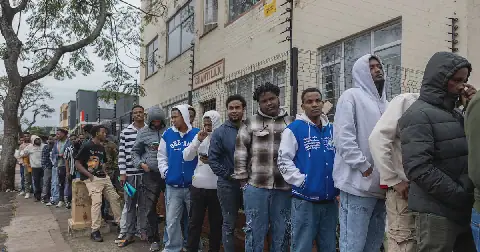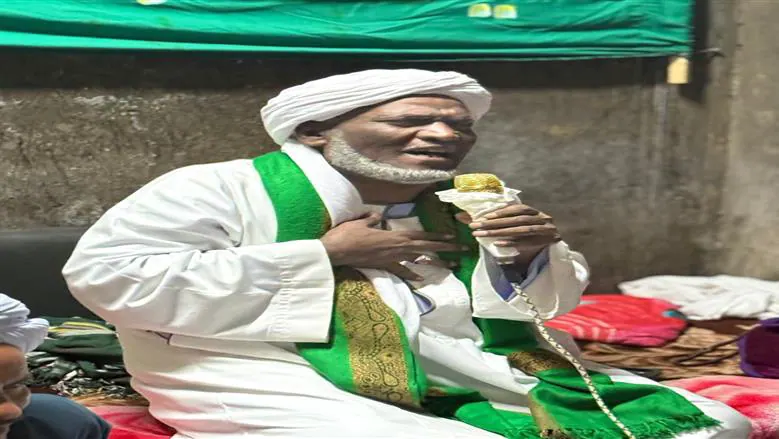
The Egyptian Heritage House, part of the Cultural Development Fund under the Ministry of Culture, has documented the festivities of the "Big Night" for Prophet Hussein's birthday in historic Cairo. This documentation is part of its field program aimed at preserving intangible cultural heritage elements and monitoring living traditions within their social and cultural contexts. The effort is aligned with the Ministry of Culture and the Cultural Development Fund's objectives to safeguard Egypt's cultural memory.
Prophet Hussein's birthday is a significant example of living heritage in historic Cairo, attracting a large number of visitors and featuring various religious, social, and cultural practices. These include religious chants, eulogies, and performances, as well as social practices related to hospitality and gift-giving. The celebration also involves traditional crafts, seasonal products, and popular foods, all of which form a comprehensive cultural system that interacts with its surroundings.
The documentation team from the Egyptian Heritage House observed several aspects of these celebrations, including religious chants and eulogies, as well as social practices related to visitation and hospitality. They also noted traditional crafts and seasonal products, such as the production and sale of traditional sweets and popular foods. Additionally, the team observed commercial activities linked to the season and their impact on daily life in the area surrounding the shrine.
Dr. Fatma Mustafa, Director of the Egyptian Heritage House, emphasized that the importance of documentation goes beyond recording events to understanding the cultural practices within their context. This includes identifying practitioners and the social, cultural, and economic functions they serve. She noted that intangible cultural heritage is inherently dynamic, changing and renewing itself as it continues to be practiced within society.
The celebration of Prophet Hussein's birthday highlights the close connection between heritage and livelihoods. The influx of visitors stimulates economic activity, supporting local artisans, craftsmen, and small business owners, particularly those involved in traditional crafts and seasonal products. This underscores the importance of preserving the knowledge and skills associated with these practices.
The Egyptian Heritage House's efforts aim to create a scientific and visual archive of intangible cultural heritage elements. This archive can be used for research, study, and cultural programs, supporting national registration efforts and promoting community awareness of their heritage's value. The work also acknowledges the role of heritage practitioners in its continuity and transmission to future generations.
The documentation was carried out by a team from the Egyptian Heritage House led by Dr. Fatma Mustafa, with Tarek Saghier, a researcher and photographer at the House, responsible for the field documentation and visual recording of the events and practices associated with the celebration. The Egyptian Heritage House continues its field program to document intangible cultural heritage elements across Egypt.
Key points
- The Egyptian Heritage House documents cultural events to preserve the country's cultural memory.
- The documentation of Prophet Hussein's birthday celebration aims to understand and preserve living cultural heritage.
- The project supports national efforts to safeguard intangible cultural heritage and promote community awareness.