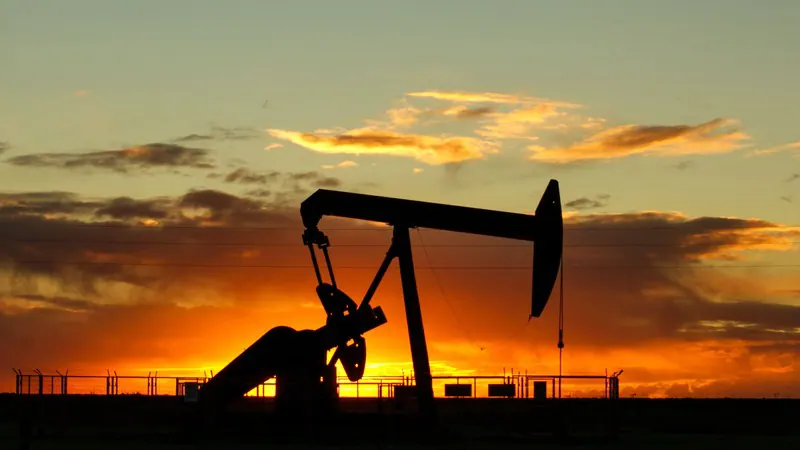
Oil prices surged on Thursday, while stocks tumbled due to renewed inflation concerns. This development followed a report that US President Donald Trump was considering additional strikes on Iran before the US midterm elections. The news triggered a sell-off, similar to the retreat seen on Wall Street, where tech firms pulled back from recent gains.
Earlier in the week, crude oil prices had declined due to signs that exports from the Middle East were returning to pre-war levels and that G7 nations had agreed to tap their stockpiles. However, anxiety resurfaced as figures showed Tehran had increased strikes on tankers in the Strait of Hormuz. Additionally, Yemen's Houthis disputed claims they had lost key territory, and top oil officials warned that global reserves were running low.
On Wednesday, The Atlantic reported that the White House had asked the Pentagon to draw up options to hit sites in Iran ahead of the midterms. The article stated that Trump's Republicans were in danger of losing both houses of Congress. The size and targets of the potential operation were still being discussed, but a wider operation could be in the works after the polls on November 3.
Oil prices rose significantly, with both main crude contracts jumping almost 4%. Brent North Sea Crude traded at $104.11 per barrel. The spike in oil prices was also driven by a hit to supplies caused by the partial closing of Gulf of Mexico output as Tropical Storm Isaias approached. News that International Energy Agency members were ready to tap more oil from reserves did little to alleviate concerns among traders.
The surge in oil prices rekindled inflation fears and put upward pressure on government bond yields to multi-year highs. This led to a decline in stocks, with all three main indexes on Wall Street dropping. The S&P 500 and Nasdaq fell from their records, and Asian markets followed suit. Tokyo, Hong Kong, Sydney, Shanghai, Singapore, Seoul, Mumbai, Wellington, Taipei, Bangkok, and Manila all experienced significant losses.
The South African rand was trading marginally softer on Thursday morning, at R16.64 to the US dollar. This was due to pressure from a firmer US currency and higher US yields. Investors are also preparing for earnings season, with tech firms in the spotlight amid questions over their profitability and elevated valuations.
According to Charu Chanana at Saxo Markets, "The headline earnings numbers may still be very strong. But with expectations elevated, valuations demanding and Treasury yields near multi-decade highs, the investment hurdle has become higher as well." This season's earnings reports should be less about identifying which companies beat consensus by the largest amount, she added. Key figures at around 10 am (SA time) included the SA rand trading at R16.64/$, R18.65/€, and R21.99/£, and Brent North Sea Crude up 3.9% at $104.11 per barrel.
Key points
- Oil prices jumped almost 4% due to inflation fears and potential US strikes on Iran.
- Stocks tumbled globally, with Wall Street's main indexes dropping and Asian markets following suit.
- The South African rand traded marginally softer at R16.64 to the US dollar due to a firmer US currency and higher US yields.