With the new school year underway in Egypt, students are once again coming into close contact with one another in classrooms, buses, and during extracurricular activities. This increased interaction can facilitate the spread of infections, particularly respiratory and gastrointestinal illnesses. To mitigate this risk, experts emphasize that prevention is a shared responsibility between families and schools. It involves adopting simple daily habits to protect students from infections.
Schools are breeding grounds for infections due to the large number of children gathered in one place. Infections can spread easily through coughing, sneezing, touching common surfaces, or sharing personal items. Common illnesses that can spread among school-aged children include the common cold, influenza, throat infections, gastrointestinal infections, and skin infections. While it's impossible to completely prevent all illnesses, following certain daily procedures can significantly reduce the transmission of infections.
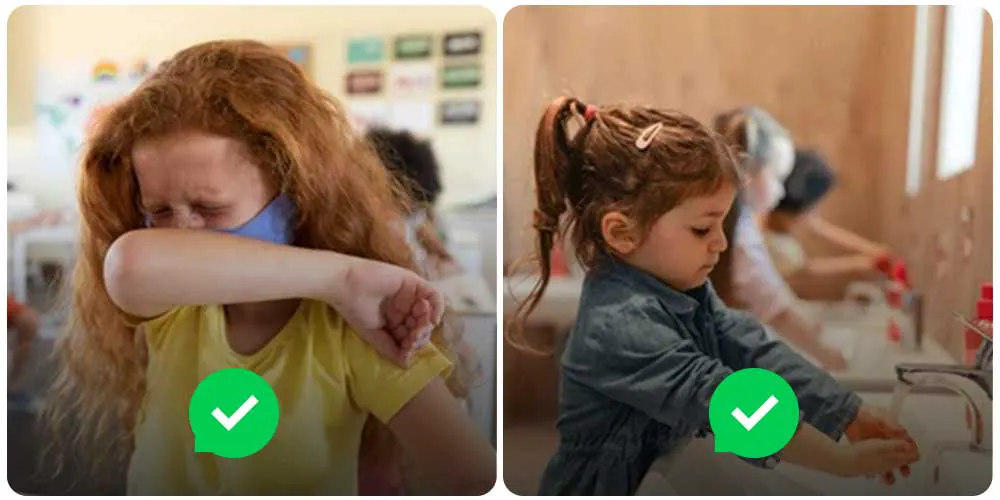
One of the most critical habits for children to learn is proper handwashing. Handwashing with soap and water for at least 20 seconds can limit the transmission of germs and infections. Children should wash their hands before eating, after using the restroom, after coughing or sneezing, after playing, and when returning home if their hands are dirty. When soap and water are not available, hand sanitizer with at least 60% alcohol can be used, with adult supervision for young children.
Teaching children proper coughing and sneezing etiquette is also crucial in preventing school infections. Children should use a tissue to cover their mouth and nose when coughing or sneezing, dispose of it properly, and then wash their hands. If a tissue is not available, they should use the inside of their elbow instead of their hands to prevent the spread of germs.
Another key prevention measure is to avoid sharing personal items. Children should have their own water bottles, eating utensils, tissues, and personal items that come into contact with their mouth or face. While sharing educational tools is generally okay, personal items that touch the mouth or nose should not be shared to minimize infection transmission.
Proper ventilation in classrooms is also vital in reducing the spread of infections. Schools should ensure good airflow by opening windows when possible and improving air quality inside classrooms. Regular cleaning of surfaces and frequently touched areas, such as desks, handles, and restrooms, is also essential.
By adopting these simple yet effective measures, both families and schools can play a significant role in preventing the spread of infections among students. A balanced diet, adequate sleep, and good hygiene practices can also help boost children's immunity and protect them from infections. Egyptian health experts stress the importance of collaboration between home and school to ensure a healthy and safe learning environment for all students.
Key points
- Proper handwashing with soap and water for at least 20 seconds is crucial in preventing the spread of infections.
- Avoiding sharing personal items, such as water bottles and eating utensils, can help reduce infection transmission.
- Proper ventilation in classrooms and regular cleaning of surfaces are essential in preventing the spread of infections.