Egyptian Governor of Eastern Province, Hazem Al-Ashmoni, stressed the need for increased field monitoring of agricultural activities to provide farmers with technical and advisory support. This initiative aims to promote modern farming techniques, boost production, and maximize benefits from agricultural waste while protecting the environment. The governor's directives are part of a broader effort to enhance agricultural productivity and sustainability in the region.
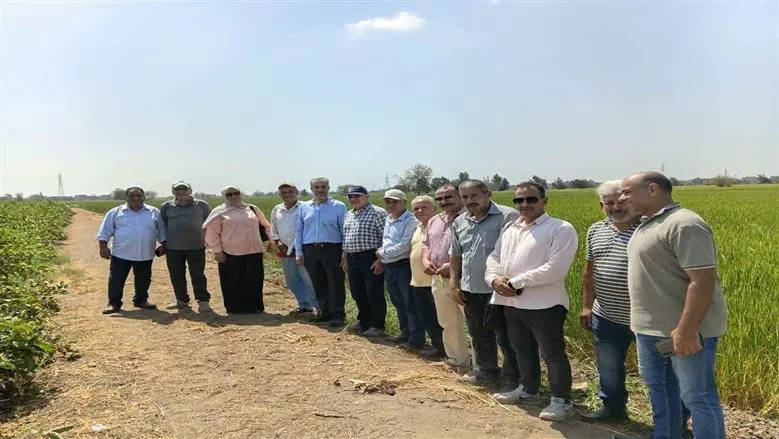
According to Imad Mohammed Gengen, Deputy Minister of Agriculture for Eastern Province, the ministry conducted field visits to Abu Hammad center, focusing on rice straw collection centers, cotton, and rice farms. The goal was to monitor progress and optimize benefits from rice straw. Such visits enable authorities to assess the effectiveness of current practices and identify areas for improvement.
The Agricultural Department also carried out monitoring and advisory activities in Abu Kabir and Al-Husayniyah centers. In Abu Kabir, officials visited the local cooperative and storage facilities, assessing agricultural activities and providing guidance. These efforts aim to ensure that farmers have access to necessary support and resources to improve their practices.
In Faqous, the department monitored rice cultivation and educated farmers on optimal harvesting techniques using machinery. This approach helps minimize waste and maximize yields while promoting the use of rice straw as a valuable resource. By adopting modern farming methods, farmers can increase their productivity and contribute to sustainable agricultural practices.
The Agricultural Department organized a field day in Faqous, focusing on the importance of recycling agricultural waste, particularly from grape and palm cultivation. The event highlighted the potential for converting these by-products into biodegradable plastic. This initiative showcases innovative approaches to waste management and environmental conservation.
The field day in Faqous also underscored the benefits of recycling agricultural waste, including the production of chemical components, antioxidants, and UV-resistant materials. These products can decompose naturally, leaving no harmful residues in the soil. By adopting such sustainable practices, farmers can reduce their environmental footprint and contribute to a more eco-friendly agricultural sector.
The Eastern Province's efforts to promote sustainable agriculture and waste management reflect a broader commitment to environmental conservation and sustainable development. By supporting farmers and providing them with necessary resources and guidance, the authorities aim to create a more productive and environmentally friendly agricultural sector.
Key points
- Egyptian authorities are intensifying field monitoring of agricultural activities to promote sustainable practices and maximize benefits from agricultural waste.
- The Agricultural Department is providing farmers with technical support and guidance on modern farming techniques to boost productivity and reduce waste.
- Initiatives are underway to convert agricultural waste into biodegradable products, such as plastic, to promote environmental conservation.