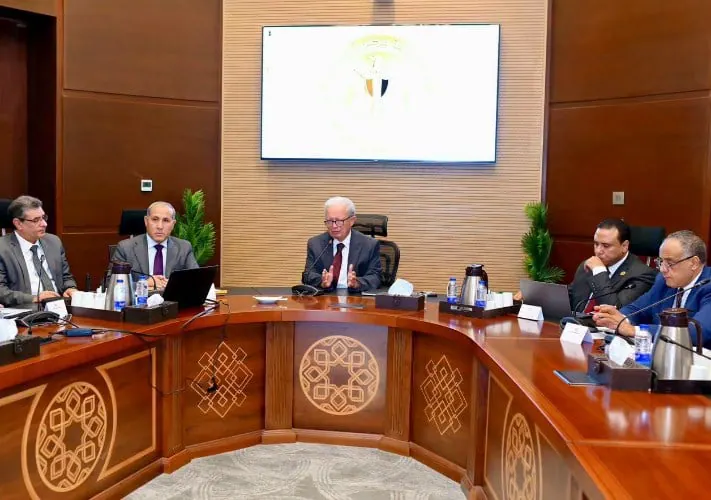
Dr. Hussein Issa, Egypt's Deputy Prime Minister for Economic Affairs, recently convened a comprehensive meeting to follow up on the latest developments in the plan to restructure economic bodies. This initiative aligns with the state's ongoing efforts to continue institutional and financial reform. The goal is to enhance the efficiency of economic bodies and maximize the utilization of their assets and resources. This, in turn, aims to support financial sustainability and bolster their contribution to the national economy.
The meeting was attended by Eng. Wajdi Radwan, Deputy Minister of Transport, as well as the heads and representatives of the concerned bodies. Representatives from the Central Bank of Egypt and the Ministry of Finance were also in attendance. During the meeting, discussions focused on the files related to several economic bodies. The agenda included an overview of the current status of the restructuring plan for these bodies.
A key aspect of the discussions was the executive position on the restructuring plan for economic bodies. The meeting reviewed several axes related to developing institutional, financial, and administrative performance. There was a strong emphasis on enhancing operational efficiency, maximizing the use of resources and assets, and achieving the highest possible economic and social returns. This comprehensive approach aims to ensure that these bodies operate at their optimal level.
Dr. Issa highlighted that economic bodies constitute a primary component of the national economy. He underscored that the restructuring of these bodies is of significant importance within the framework of the economic and institutional reform program. These bodies play strategic roles in vital sectors, and improving their performance and enhancing their financial sustainability is crucial. This is essential for supporting the national economy and achieving development goals.
The Deputy Prime Minister explained that the restructuring efforts aim to bring about comprehensive development in the working system of these bodies. This involves not just financial and administrative treatments but also improving management and operation efficiency. It includes maximizing the use of assets and resources, developing revenues and returns, enhancing governance and oversight, and improving the quality of services. The ultimate goal is to enable these bodies to perform their roles efficiently, effectively, and sustainably.
Dr. Issa stressed the importance of continued coordination between various ministries and concerned parties on the restructuring file. This coordination ensures the integration of financial and administrative policies and the speedy implementation of the targeted reforms. Effective collaboration is seen as key to the success of these efforts, which are critical for the national economy's growth and stability.
The Egyptian government's efforts to restructure economic bodies reflect a broader strategy to enhance the country's economic landscape. By focusing on efficiency, sustainability, and strategic development, the government aims to create a more robust and resilient economy. This initiative is part of a series of reforms designed to address economic challenges and promote growth.
Key points
- The Egyptian government is pursuing a comprehensive plan to restructure economic bodies to enhance their efficiency and financial sustainability.
- The restructuring efforts aim to maximize the utilization of assets and resources, develop revenues, and improve service quality.
- Continued coordination between ministries and concerned parties is crucial for the successful implementation of these reforms.