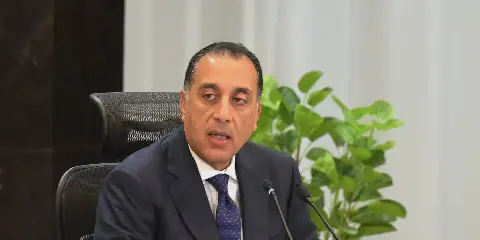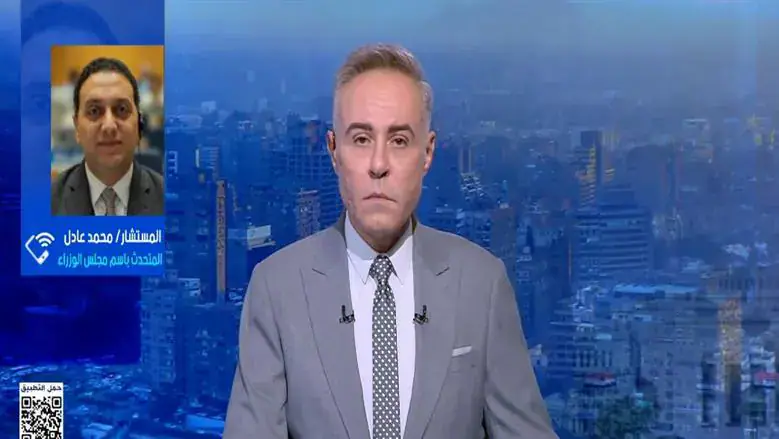
The Egyptian government has taken proactive steps to address potential repercussions of regional developments. The Central Crisis Management Committee, led by the Cabinet, convened to assess various scenarios and ensure the government's readiness to mitigate any adverse effects. According to Counselor Mohamed Adel, spokesperson for the Cabinet, the meeting aimed to bolster the nation's preparedness in the face of evolving geopolitical circumstances.
The committee focused on three primary areas. First, it sought to augment the nation's stockpile of essential goods, including food products, medicines, and energy resources. This move aims to guarantee a stable supply of vital commodities for citizens. Adel emphasized that the government is committed to maintaining a secure reserve of these items to meet future demands.
The second axis involves reviewing and implementing measures to rationalize government expenditure. This includes reducing fuel and energy consumption within government ministries, agencies, and institutions. Additionally, the government plans to cut spending on certain items, such as advertisements. Adel clarified that these austerity measures are exclusive to government entities and do not affect citizens' electricity consumption.
The third axis focuses on sustaining economic and productive activities in the country. The government aims to allocate necessary funds to ensure the availability of basic goods, petroleum products, and essential services. This approach seeks to safeguard citizens' needs and maintain production levels in the coming months.
The government's initiative to reduce prices of basic goods currently encompasses around 30 items available at Ministry of Supply and Internal Trade outlets. These products are priced approximately 20% lower than market averages. The government plans to expand the initiative to 400 outlets across various governorates, enhancing accessibility for citizens.
The initiative complements other efforts by the Ministry of Supply, including the development of sales outlets and "carry-on" chains. The government has confirmed that the price reduction initiative will continue until the end of March and throughout the Ramadan period. Additional measures are expected to be implemented before Ramadan to increase the supply of essential goods.
The government's proactive approach reflects its commitment to addressing regional challenges and ensuring the well-being of its citizens. By bolstering strategic stockpiles, rationalizing government spending, and sustaining economic activities, Egypt aims to navigate potential regional developments with stability and resilience.
Key points
- The Egyptian government has identified three main areas of focus to address regional developments: increasing strategic stockpiles, rationalizing government spending, and sustaining economic activities.