The Egyptian government has initiated a comprehensive plan to reduce prices of essential goods, as announced by Dr. Tamer Salah, Undersecretary of the Ministry of Supply and Internal Trade in Qalyubia Governorate. This move is in line with directives from the President to mitigate any potential market fluctuations. The initiative started on September 10 with 12 goods, offering discounts of 20-25%, and was expanded on September 25 to include 18 more goods, bringing the total to 30.
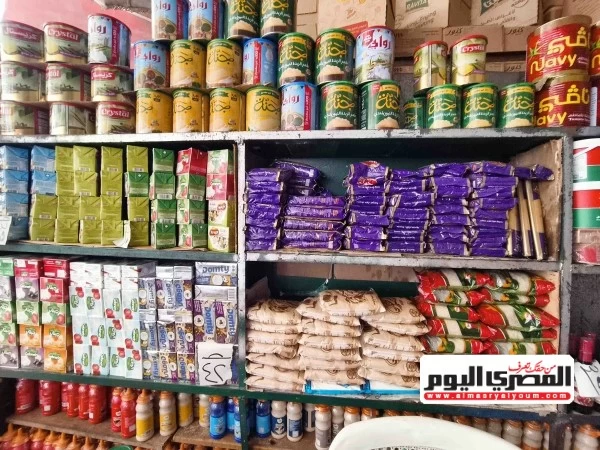
The selected goods for this initiative are staples and strategic products in high demand, which had previously experienced unjustified price hikes in external markets. These include sugar, rice, flour, oil, legumes, pasta, cheese, jam, halawa, lentils, beans, tuna, full-fat milk, and washing powders. The goal is to ensure the availability of these goods in markets and maintain stability during this period.
The initiative is proactive and set to continue until March 2027, covering the Ramadan period. It began with 284 outlets from consumer complexes affiliated with the Holding Company for Food Industries, alongside 24 "Cari On" outlets. This expansion aims to make these discounted goods more accessible to the public.
To ensure compliance with the announced prices, the Ministry of Supply and Internal Trade is conducting daily monitoring of sales rates, stock levels, and the supply of these goods. They are also utilizing the "Price Radar" application, allowing citizens to track prices within outlets and free markets by recording prices they encounter.
The Ministry is committed to strict supervision, using the "Price Radar" application to continuously identify price fluctuation indicators. This enables citizens to head to areas with controlled and lower prices, while authorities target regions with unjustified price hikes to take necessary actions.
The Ministry is currently studying all goods and may consider adding more to the initiative in the future. The current list includes essential and strategic goods that meet citizens' needs. Adding new goods could make a difference in family budgets, with the aim of ensuring the listed goods cover citizens' needs, even if their necessity varies among households.
The initiative reflects the government's efforts to engage with citizens' needs and manage economic challenges proactively. By monitoring and adjusting, the government aims to stabilize the market and provide relief to the population.
Key points
- The Egyptian government has launched an initiative to reduce prices of 30 essential goods by up to 25%.
- The initiative is set to continue until March 2027, covering the Ramadan period.
- The Ministry of Supply and Internal Trade is utilizing the "Price Radar" application to monitor prices and ensure compliance.