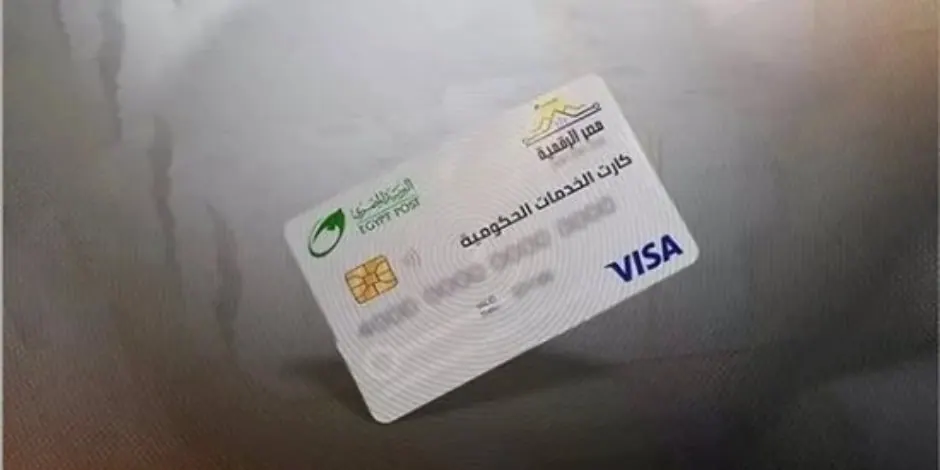
The Egyptian government has initiated a new project aimed at developing its support systems and transitioning to digital service delivery. The unified card, expected to replace current ration cards, has sparked interest among citizens. As the government continues to roll out this project, citizens are inquiring about the card's benefits, eligibility criteria, and how to obtain it. This new card is part of a broader effort to enhance the efficiency of public services.
To obtain the unified card, citizens must first open a personal account with the National Postal Authority. They will then need to register their national ID and mobile phone number, which must be registered under their name with a mobile phone company. The card will feature a smart fingerprint to ensure that services are provided only to eligible individuals. Once the card is ready, citizens will receive a text message with instructions on where and when to collect it.
The unified card offers several benefits to citizens. It integrates various government services into one card, including ration supplies, health insurance, and government payments. Cardholders can withdraw cash, make purchases using point-of-sale machines and ATMs affiliated with the Egyptian Postal Authority, and benefit from a free bank account with the National Postal Authority. The card also aims to promote financial inclusion by facilitating electronic payments for government services.
The unified card has multiple uses. It allows for direct deposits and receipts of funds, completing purchases from merchants using point-of-sale machines, and receiving support for bread and subsidized goods from local shops. Additionally, it can be used for comprehensive health insurance services and digital government service payments. This multifunctionality is expected to make life easier for Egyptian citizens by providing them with a single, convenient means of accessing various services.
Citizens can collect their unified cards from several locations, including post offices, ration offices, comprehensive health insurance units, and the general office of the governorate in Port Said. They have one month from the date of receiving a text message to collect their card. If they miss this deadline, they have an additional month to collect it from the governorate's general office. Failure to collect the card within this extended period will result in its cancellation.
The introduction of the unified card is part of Egypt's strategy to modernize its public services and ensure that support reaches those who need it most. By incorporating a smart fingerprint, the government aims to prevent fraud and ensure the efficient distribution of subsidies. This project reflects the government's commitment to leveraging technology to improve service delivery and promote financial inclusion among its citizens.
As the unified card becomes more widespread, it is expected to play a crucial role in Egypt's efforts to enhance its social support systems and transition towards a more digital economy. With its various benefits and uses, the card is set to become an essential tool for Egyptian citizens, providing them with easier access to government services and financial transactions.
Key points
- The unified card integrates multiple government services, including ration supplies, health insurance, and government payments.
- The card features a smart fingerprint to ensure that services are provided only to eligible individuals.
- Citizens can collect their unified cards from post offices, ration offices, health insurance units, and governorate offices.