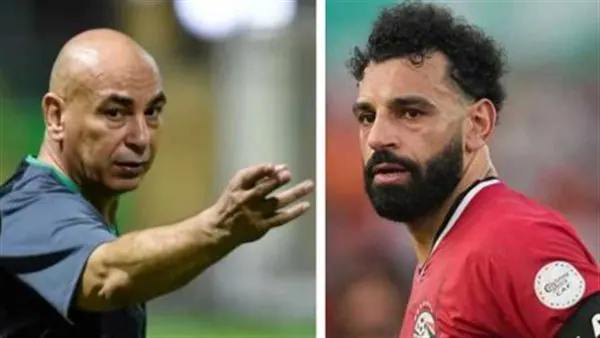
The Egyptian national football team is set to play against South Sudan on an artificial turf field, which has raised concerns about player safety. Star player Mohamed Salah will miss the match due to the playing surface. The decision to rest Salah has sparked debate about the suitability of artificial turf for international matches. Artificial turf is a common surface for football fields, but it has its drawbacks.
Artificial turf and tartan are two distinct types of playing surfaces used in sports. Tartan is a rubberized, elastic surface primarily used for athletics tracks and events. Artificial turf, on the other hand, is made of synthetic fibers that mimic natural grass and is commonly used for football fields. The two surfaces have different properties and are suited for different types of sports and activities.
Artificial turf fields are made of synthetic fibers, usually polyethylene, attached to a specialized base with layers of sand and rubber particles. These fields are used for football and other sports due to their durability and ability to withstand heavy use. The lifespan of artificial turf is typically between 5 to 10 years, depending on the quality of materials and maintenance.
The use of artificial turf fields is regulated by FIFA and CAF, with specific guidelines for their use in international matches. FIFA requires artificial turf fields to meet certain standards, including obtaining the FIFA Quality Pro certification, which ensures the field meets safety and performance standards. CAF also has its own set of regulations for artificial turf fields used in its competitions.
Despite meeting regulatory standards, artificial turf fields can still pose risks to player safety. Many footballers, including Mohamed Salah, have expressed concerns about playing on artificial turf due to the increased risk of injury, particularly to the lower body. The surface can also affect player movement and traction, leading some coaches and players to prefer natural grass fields.
Several high-profile footballers have spoken out against playing on artificial turf, including Thierry Henry, Zlatan Ibrahimovic, and David Beckham. Egypt's national team has played several matches on artificial turf in the past, including a 2026 World Cup qualifier against Sierra Leone and an Africa Cup of Nations qualifier against Mauritania.
The stadium in Juba, South Sudan, where Egypt will play against South Sudan, has been certified by FIFA and is considered safe for players. However, the Egyptian team's coaching staff has still decided to rest Mohamed Salah to protect him from potential risks. The team's decision highlights the ongoing concerns about artificial turf and player safety in international football.
Key points
- Egypt's national team faces challenges with artificial turf ahead of a match against South Sudan.
- Artificial turf fields are regulated by FIFA and CAF, with specific guidelines for their use in international matches.
- Many footballers have expressed concerns about playing on artificial turf due to the increased risk of injury.