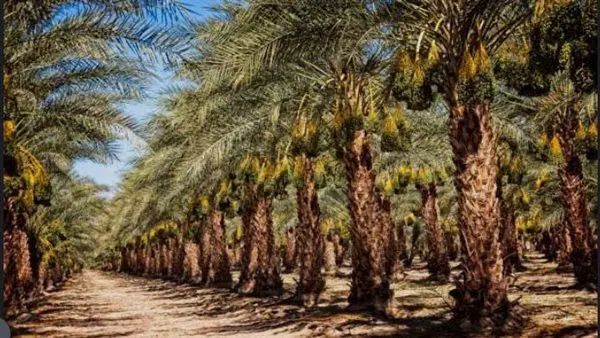
Egyptian agriculture expert Dr. Nader Nour El-Din has expressed concerns over the government's recent push to increase palm cultivation in the country, describing it as a "fad" that could lead to significant losses for farmers. He emphasized the need for a "maestro" to guide agricultural decisions, ensuring that market needs are assessed before crops are planted. This approach would prevent farmers from entering saturated markets and incurring substantial losses.
Dr. Nour El-Din drew parallels between the current palm cultivation trend and previous instances of overproduction in other crops, such as strawberries, potatoes, onions, and garlic. He argued that the lack of a "maestro" or expert guidance has led to these situations, where farmers produce more than the market can absorb, resulting in financial difficulties. The expert stressed that a well-planned approach to agriculture, prioritizing market research and demand, is essential to avoid such pitfalls.
Egypt, despite being the world's largest producer of dates, is not among the top ten exporters of dates due to several factors. According to Dr. Nour El-Din, a significant portion of Egypt's date production consists of soft, locally consumed varieties, which are not suitable for export. Additionally, countries such as those in the Gulf region, Yemen, and Iraq dominate the global market for semi-dry dates, producing high-quality varieties that are difficult for Egypt to compete with.
The expert highlighted the challenges faced by Egyptian date producers, including the country's climate and limited ability to produce high-quality, export-oriented varieties. He noted that the Gulf region's favorable climate and access to seawater enable them to produce superior quality dates, making it difficult for Egyptian producers to compete. As a result, Dr. Nour El-Din warned that entering the global date market without a thorough understanding of the competition and market demand could lead to substantial losses for new producers.
Dr. Nour El-Din called on the government to adopt a more strategic approach to agriculture, prioritizing market research and demand assessment before promoting specific crops. He emphasized that a "maestro" or expert guidance is necessary to prevent losses and ensure profitability. The expert's comments come as the government continues to promote palm cultivation, raising concerns about the potential consequences for farmers and the agricultural sector as a whole.
The Egyptian Ministry of Agriculture has been intensifying its efforts to monitor palm and olive tree farms, as well as outlets selling pesticides. Recently, the ministry conducted an academic tour of the New Valley, focusing on the use of genetic banks, solar energy, and other innovative approaches to improve agricultural productivity. These initiatives aim to support farmers and promote sustainable agricultural practices in the region.
In conclusion, Dr. Nour El-Din's warnings highlight the need for a more cautious and informed approach to agricultural development in Egypt. By prioritizing market research, expert guidance, and sustainable practices, the government can help prevent losses and ensure a more prosperous future for farmers and the agricultural sector. The government must take heed of these warnings to avoid exacerbating the challenges faced by Egyptian farmers and to promote a more resilient and competitive agricultural industry.
Key points
- Egypt's lack of a "maestro" or expert guidance in agriculture has led to overproduction and losses in various crops.
- The country's date production is not competitive in the global market due to its climate and limited ability to produce high-quality, export-oriented varieties.
- Dr. Nour El-Din is calling for a more strategic approach to agriculture, prioritizing market research and demand assessment to prevent losses and ensure profitability.