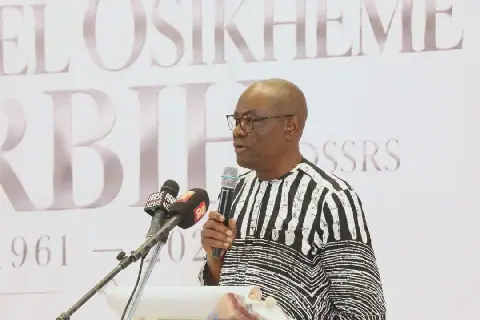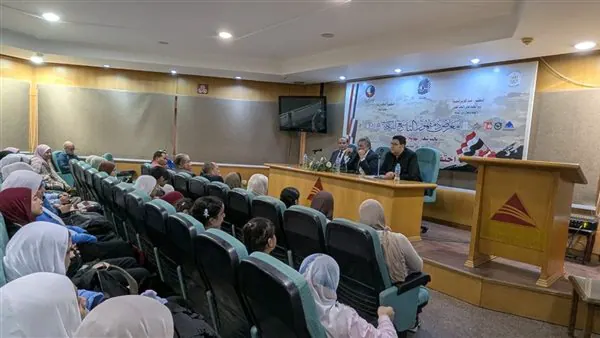
The ninth Damanhour Book Fair, organized by the Egyptian General Authority for Books, recently hosted a panel discussion titled "Developing the Education System and the Future of Our Children Under the Baccalaureate System." The event aimed to initiate a direct dialogue with students, review the features of the new educational system, and address concerns and questions about the baccalaureate system. The discussion was attended by prominent educational leaders and received significant interaction from the audience.
The session was moderated by writer Hani Qadri, a member of the Egyptian Writers' Union. Qadri began by highlighting the main concerns and questions circulating on social media among students and parents regarding the baccalaureate system, the nature of evaluation, and preparation methods. He emphasized his role in conveying students' voices transparently to educational leaders, ensuring that facts are clarified from official sources and preventing students and parents from falling prey to rumors and inaccurate information.
Youssef El-Dib, Deputy Minister of Education, stated that the development of the education system and the transition to the baccalaureate system primarily aim to build the student's personality and develop critical thinking and understanding skills, moving away from traditional rote learning methods. He explained that the baccalaureate system seeks to alleviate the burden on Egyptian families and provide multiple educational paths that suit students' inclinations and various abilities, qualifying them for local and international job market requirements.
El-Dib reassured students and parents about the rumors surrounding the complexity of exams or the ambiguity of curricula, affirming that the ministry is working according to well-studied plans and clear evaluation mechanisms to ensure fairness and equal opportunities for all students. He directly addressed the students, saying, "You are Egypt's real wealth, and the state is harnessing all its capabilities to provide a safe and stimulating educational environment that guarantees your future." He stressed that school and education department doors are always open to receive students' proposals and answer their inquiries.
Sharif Abdel Jawad Al-Shalma, Deputy Director of the Education Directorate, discussed the practical aspects of implementing the baccalaureate system. He pointed out that educational administrations and schools are fully prepared to accompany students during this transitional phase and address their questions. He mentioned organizing training programs for teachers and mentors to ensure they fully understand the philosophy of the baccalaureate system and its application mechanisms.
Al-Shalma added that the Directorate is working to dispel the anxiety and tension among parents by organizing periodic awareness meetings, allowing them to understand the details of the new system and its implementation mechanisms. The session witnessed an extensive discussion between students, attendees, and educational leaders, where students asked questions about exam mechanisms, study methods, and optimal preparation for the new system. The Deputy Minister and Deputy Director provided detailed answers to various inquiries.
The panel discussion received widespread approval from the attendees, who praised the interactive initiative that allowed students to raise their questions directly. The event embodied the educational institution's keenness to build bridges of trust and communication with students and parents and increase awareness of the baccalaureate system's details. The event was part of the activities of the ninth Damanhour Book Fair, which is organized under the auspices of the Egyptian Ministry of Higher Education and Scientific Research and the Ministry of Culture.
Key points
- The Egyptian Ministry of Education is working to alleviate concerns about the new baccalaureate system by engaging in direct dialogue with students and parents.
- The baccalaureate system aims to develop critical thinking and understanding skills among students, moving away from traditional rote learning methods.
- Educational leaders have reassured students and parents that the ministry is working according to well-studied plans and clear evaluation mechanisms to ensure fairness and equal opportunities for all students.