Egyptian economist Dr. Hisham Ibrahim, a professor of finance and investment, has emphasized the crucial role of remittances from Egyptians abroad in stabilizing the country's economy. According to Dr. Ibrahim, the strong growth in remittances during the first seven months of 2026 reflects the confidence of Egyptian workers abroad in the local economy. He noted that part of these funds returns to the banking sector, while another portion is directed towards various investments.
Dr. Ibrahim highlighted that the influx of remittances on this scale indicates a gradual improvement in the investment climate, despite the geopolitical challenges facing the region and the world. Egypt's economy is achieving a growth rate of approximately 5.1%, he added. Remittances from Egyptians abroad, alongside tourism, exports, and investments, represent one of the most important sources of foreign currency for the country.
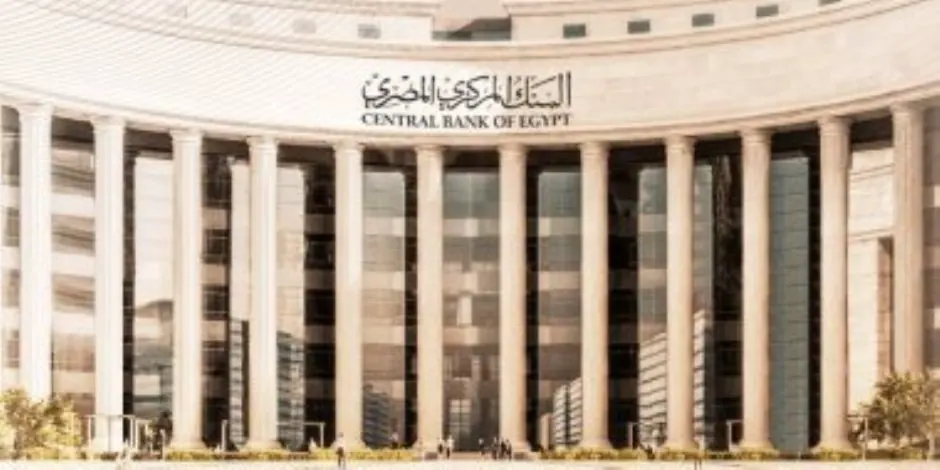
The professor of finance and investment stressed that an increase in these resources is reflected in the availability of foreign currency within the banking sector. This, in turn, enables banks to meet the needs of customers and importers, whether for opening letters of credit or providing the requirements of travelers abroad. It also enhances the banking sector's ability to provide liquidity in foreign currency.
Dr. Ibrahim pointed out that remittances from Egyptians abroad have become a vital element in supporting the stability of the Egyptian economy and the foreign exchange market. He cited that remittances reached about $29.7 billion during the first seven months of 2026. He also noted that movements in the exchange rate, which fluctuate gradually, align with the mechanisms of supply and demand, in line with the Central Bank's announced policy for managing the exchange rate.
The economist emphasized that the continued attractiveness of the banking sector is linked to providing appropriate returns on the savings of Egyptians abroad, in addition to directing part of these funds towards investments, particularly in the real estate sector and other economic activities. He expressed confidence that the continuation of investment opportunities and the availability of suitable returns, compared to competing markets, will support the continued flow of remittances from Egyptians abroad in the coming period.
Dr. Ibrahim highlighted the importance of maximizing the benefits of remittances within the Egyptian economy. He noted that this can be achieved by providing a range of investment options and ensuring the stability of the financial system. The Egyptian government and relevant authorities are working to create an environment that encourages investment and supports the flow of remittances.
In conclusion, Dr. Ibrahim's insights underscore the significant contribution of diaspora remittances to Egypt's economic stability. With remittances reaching $29.7 billion in just seven months, it is clear that this source of foreign currency will continue to play a vital role in supporting the country's economy. As Egypt continues to navigate global economic challenges, the role of remittances in promoting economic stability and growth is set to remain crucial.
Key points
- Remittances from Egyptians abroad reached $29.7 billion in the first seven months of 2026.
- Egypt's economy is achieving a growth rate of approximately 5.1%.
- Remittances represent one of the most important sources of foreign currency for Egypt, alongside tourism, exports, and investments.