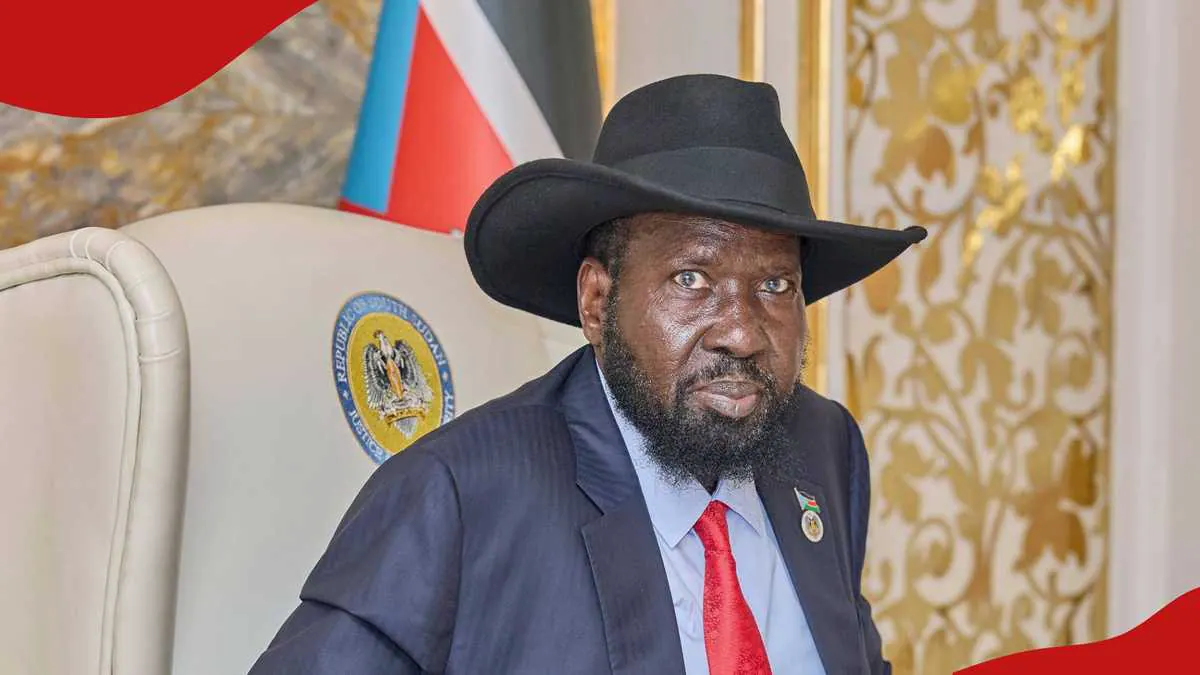
South Sudan's President Salva Kiir has signed amendments to the country's National Elections Act of 2012, removing provisions that made elections conditional on completing a permanent constitution and conducting a national census. The changes, according to Presidential Affairs Minister Africano Mande Gedima, aim to align the election law with the transitional constitution. This move is seen as a major milestone in preparations for the general elections scheduled for December 22.
The amendments have been met with rejection from the South Sudan Opposition Alliance, a coalition of opposition parties and a signatory to the 2018 peace agreement. They argue that the changes were adopted without sufficient consultation among the parties to the accord. The opposition's concerns come as the country prepares for its first general elections since gaining independence in 2011.
Under the revised legislation, the incumbent executive leadership will retain full constitutional powers throughout the election period until a newly elected president assumes office. However, the first vice president and other vice presidents are required to leave their positions within three months before election day. The law also reduces the size of the country's legislative bodies, with the National Legislative Assembly shrinking from 650 seats to 270.
The changes have raised concerns among civil society leaders, who are calling for all parties to resolve their disagreements without resorting to violence. Edmund Yakani, executive director of the Community Empowerment for Progress Organisation, urged parties to sort out their political differences through non-violent means, saying "Don't return us to war."
The elections, scheduled for December 22, are seen as a crucial step in consolidating peace and stability in South Sudan, which has experienced years of devastating conflict. The country's transitional period was established under the 2018 peace deal, and election preparations have been delayed on multiple occasions due to slow progress on drafting a permanent constitution and completing a census.
The move has also been criticized in the context of the ongoing trial of Riek Machar, Kiir's longtime rival and leader of the main opposition movement SPLM-IO, who has been under house arrest since March 2025. Machar is standing trial on charges including treason and murder, all of which he denies. Last week, President Kiir also replaced the head of the elections commission without providing any explanation.
Despite the challenges, the government's move to push ahead with the elections has been described as a significant step towards democratization. Voter registration has not yet begun, but the incumbent leadership is keen to see the process through. The international community is watching closely, as the success of the elections will be crucial in determining the future stability of the region.
Key points
- The amendments to the election law remove requirements for a permanent constitution and census ahead of the December elections.
- The opposition has rejected the changes, citing a lack of consultation among parties to the 2018 peace agreement.
- The elections, scheduled for December 22, will be the first general elections in South Sudan since its independence in 2011.