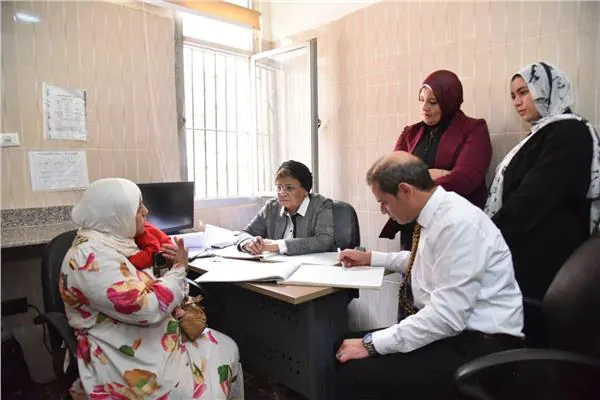
On September 22, 2026, Dr. Abla Al-Alfi, Deputy Minister of Health and Population, led a field inspection at Badr Medical Area. She was accompanied by Dr. Samir El-Damiry, head of the Primary Care and Family Development Sector, and a monitoring team. The visit aimed to track the implementation of the model medical area project, assess progress rates, identify gaps, and ensure prompt rectification. This effort aligns with directives from Health Minister Dr. Khaled Abdel Ghafar to intensify on-site monitoring of healthcare facilities.
The monitoring team praised progress in several health units, noting the regular provision of services for 12 hours daily. They observed the availability of human resources, essential medicines, and supplies, as well as consistent supervisory visits. There was also an improvement in cleanliness, landscaping, and organization of waiting areas. Services such as family planning, pregnancy follow-up, women's health, chronic diseases, kidney care, child and dental services, and ultrasound facilities were available. Additionally, citizen satisfaction was measured through daily surveys, with waiting periods averaging 10 to 15 minutes.
Despite the progress, the team identified gaps requiring immediate intervention. These included malfunctions in certain equipment, such as dental chairs and a centrifugal device, and the need for completing maintenance and mechanization work. There was also a need to enhance adherence to infection control procedures and a shortage of family counseling providers, along with the absence of a doctor trained in the program.
Dr. Al-Alfi directed that training for counseling providers be expedited to address the shortage and enhance family counseling services. She emphasized the need to record and follow up on all female visitors aged 15 to 49 and document the results. Furthermore, she called for expanding communication with citizens, analyzing complaints, and periodically measuring satisfaction to improve service organization and reduce waiting times.
The Deputy Minister stressed the importance of accurate monitoring of pregnancy and detection of risk signs, particularly among women with anemia. She ensured that the necessary iron doses, not less than 30 mg, were provided. She also recommended reviewing the data system, announcing specialized clinics, activating performance monitoring tools, and enhancing health education outside the facility.
Dr. Al-Alfi underscored the necessity of addressing the observed gaps and monitoring the implementation of corrective actions on-site. This would ensure the sustainability of service development and achieve integration between primary care and family development, ultimately enhancing the efficiency of healthcare facilities in the Badr area.
The inspection reflects the ongoing efforts to improve healthcare services in Egypt, focusing on infrastructure development, service quality, and patient satisfaction. The findings and directives from the visit are expected to contribute to the enhancement of the healthcare system in the Badr Medical Area.
Key points
- Dr. Abla Al-Alfi inspects Badr Medical Area to monitor healthcare development.
- The visit identifies progress and gaps in healthcare services, including equipment malfunctions and staff shortages.
- Dr. Al-Alfi issues directives to address gaps and enhance services, including training for counseling providers and improving communication with citizens.