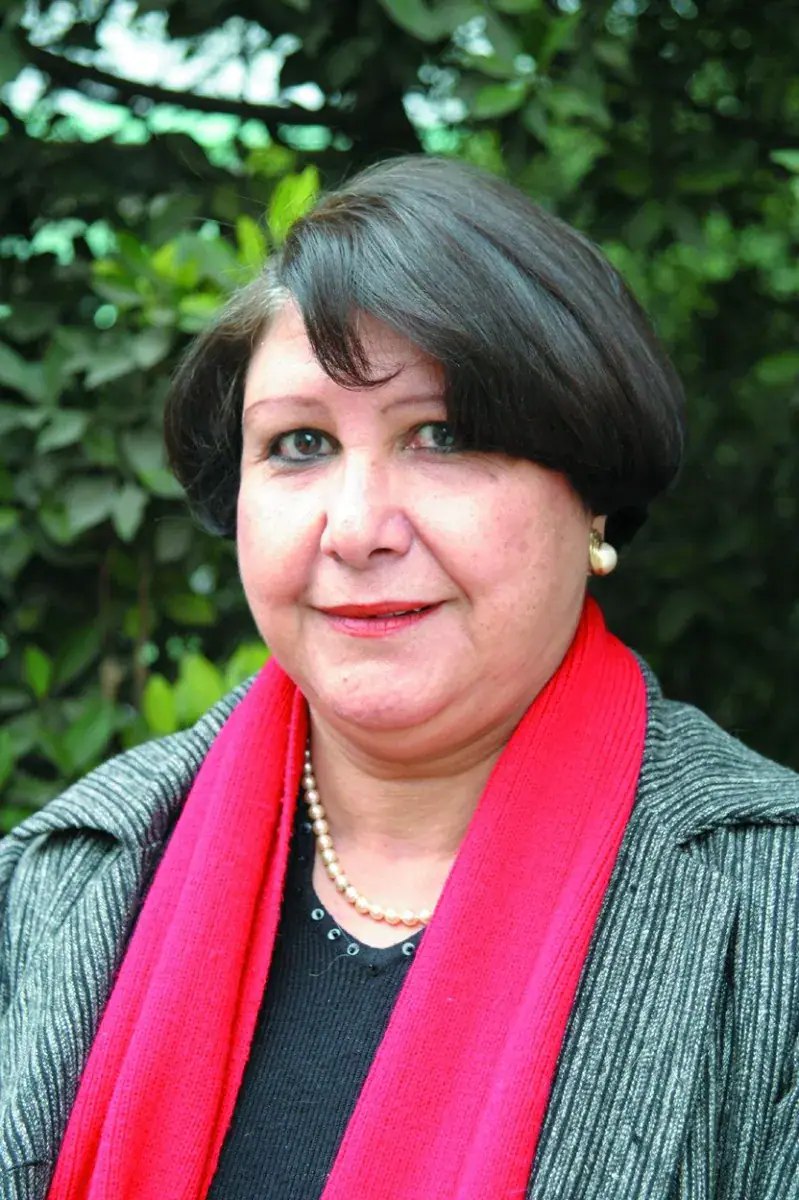
Egyptian columnist Aminah Al-Naqash recently wrote an article titled "The Citizen You Don't Know," which was published on November 4. In her piece, Al-Naqash praises the resilience and awareness of Egyptian citizens, citing a comment by colleague Ahmed Magdy, who noted that despite facing significant challenges, Egyptians have not succumbed to chaos or violence. Al-Naqash argues that Egyptians have endured substantial hardships, including poverty and limited access to basic rights like education and healthcare.
Al-Naqash references a 1992 film, "Terrorism and Kebab," written by Waheed Hamad and directed by Sharif Arafa, which features a character named Ahmed Fath al-Bab, played by Adel Imam. The film offers a nuanced portrayal of an ordinary Egyptian citizen who becomes embroiled in a crisis when he attempts to transfer his children to a different school. The character's story serves as a commentary on the struggles faced by everyday Egyptians, including bureaucratic red tape and economic hardship.
In the film, Ahmed Fath al-Bab's situation escalates, and he is mistakenly accused of terrorism. During negotiations with the interior minister, he tells his captors that they should demand their rights from the government, which leaves them speechless. Al-Naqash uses this scene to illustrate the simplicity and reasonableness of Egyptian citizens' demands, which include access to justice, affordable healthcare, and an end to exploitation.
The character of Ahmed Fath al-Bab is portrayed as a humble and submissive individual who is nevertheless determined to assert his rights. Al-Naqash suggests that this character represents the millions of Egyptians who may appear meek and submissive but are, in fact, capable of great resilience and determination in the face of adversity. These citizens are driven by a desire for a better life and are willing to endure significant hardships to achieve it.
Al-Naqash also cites a poem by Ahmed Fouad Najm, which offers a powerful tribute to the Egyptian people. The poem describes citizens as wise, courageous, and determined, with a deep understanding of their history and a commitment to their country. The poem serves as a testament to the enduring spirit of the Egyptian people and their capacity for resilience and resistance.
Throughout her article, Al-Naqash emphasizes the importance of recognizing and respecting the struggles and aspirations of ordinary Egyptian citizens. She argues that these individuals are not simply passive recipients of government policies but rather active agents who are working to build a better future for themselves and their country. By amplifying their voices and perspectives, Al-Naqash hopes to promote a more nuanced understanding of Egyptian society and politics.
Ultimately, Al-Naqash's article offers a powerful critique of the Egyptian government's policies and its treatment of citizens. By highlighting the struggles and resilience of everyday Egyptians, she challenges the government to do more to address the needs and concerns of its citizens. The article serves as a call to action, urging policymakers to prioritize the well-being and dignity of Egyptian citizens and to work towards creating a more just and equitable society.
Key points
- The article highlights the struggles and resilience of everyday Egyptians in the face of poverty, limited access to basic rights, and government policies.