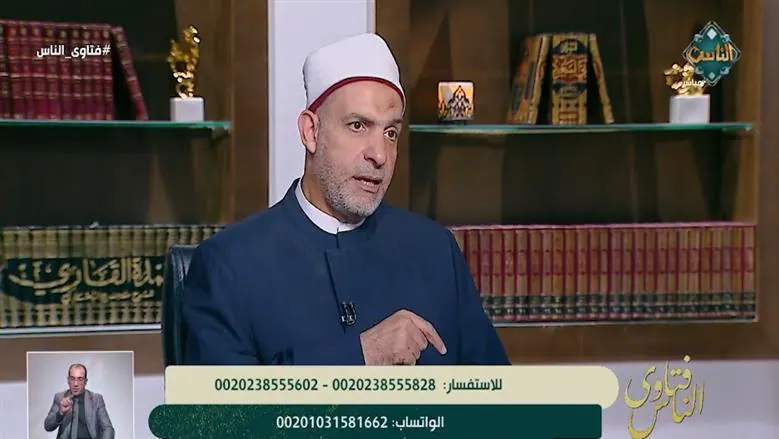
Dr. Ali Fakhoury, a prominent cleric and head of fatwas at Egypt's Dar al-Ifta, has provided guidance on the permissibility of children residing with their mother after she remarries. In a recent television appearance, Fakhoury clarified the Islamic stance on this matter, emphasizing that it is essential to prioritize the well-being of the children. According to Fakhoury, there is no religious objection to a divorced woman remarrying after her waiting period has expired.
Fakhoury highlighted that the issue of remarriage is distinct from that of child custody. When a mother remarries, custody of the children typically transfers to the next eligible guardian, such as the maternal grandmother, if she is alive. However, if the ex-husband and the mother agree that the children can remain with her after her remarriage, there is no religious impediment to this arrangement, provided that the next in line for custody concurs.
The cleric emphasized that any arrangement regarding the children's residence must adhere to Islamic guidelines on custody and prioritize the children's best interests. Fakhoury's comments aim to provide clarity on this complex issue, which often involves sensitive family dynamics. In Egypt, as in many other countries, family law and Islamic principles intersect, influencing personal and social norms.
Dar al-Ifta, the institution where Fakhoury serves, plays a significant role in providing religious guidance and fatwas on various aspects of life, including family matters. The organization's views carry considerable weight in Egypt, where many people seek to align their personal and family lives with Islamic teachings. Fakhoury's statement reflects the institution's ongoing efforts to address contemporary issues within an Islamic framework.
The debate surrounding children's custody and remarriage is not unique to Egypt but is a concern in many societies. In recent years, there has been an increased focus on reforming family laws to better protect the rights of all parties involved, including children. Fakhoury's guidance underscores the importance of considering the children's welfare in any decision regarding their living arrangements.
Fakhoury's comments were made during a television program, "Fatwas of the People," broadcast on a local channel. The program aims to provide viewers with clear and authoritative guidance on various religious and social issues. By addressing the topic of children living with a remarried mother, Fakhoury has contributed to the ongoing conversation about family dynamics and Islamic principles.
The issue at hand highlights the complexities of balancing Islamic law with the practical needs of families in contemporary society. As social norms and family structures evolve, religious institutions and scholars like Fakhoury play a crucial role in providing guidance that respects both tradition and the well-being of all individuals involved.
Key points
- Children can live with their remarried mother if agreed upon by all parties and in line with Islamic custody guidelines.