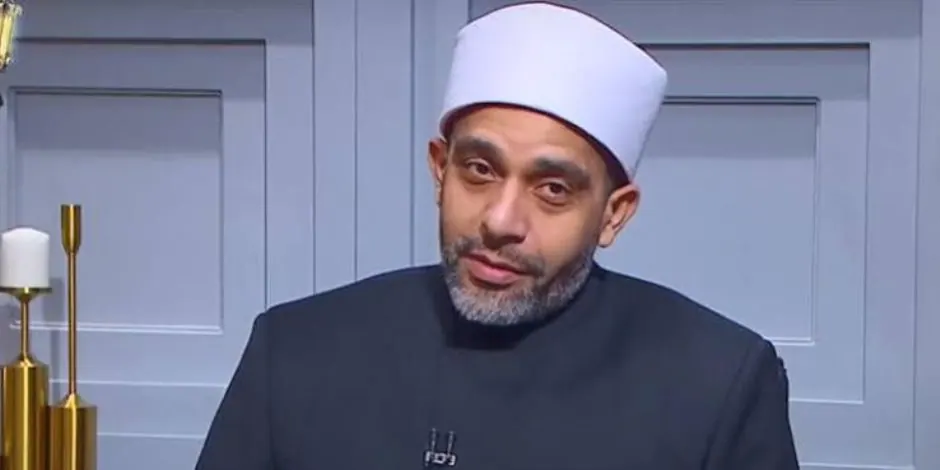
Amin Al-Fatwa at Dar Al-Ifta in Egypt, Sheikh Ahmad Wasam, addressed a query regarding the disposal of funds taken from a workplace without the owner's knowledge. He emphasized that such actions constitute unlawfully taking people's money, and genuine repentance can only be achieved by returning the funds to their rightful owner. This stance was shared during an appearance on the "Fatwa of the People" program aired on the Al-Nas channel.
According to Sheikh Ahmad Wasam, any money taken unlawfully must be returned to its owner through any feasible means, even if indirectly, such as depositing it into the owner's account or using an intermediary. He highlighted that using stolen money for charitable donations with the intention of settling the debt does not legitimize the act or absolve the individual of their responsibility towards the owner.
The cleric pointed out that an exception to this rule occurs when there is absolute certainty that reaching the owner or their heirs is impossible, despite exhausting all possible avenues. In such cases, charitable donation is permissible, provided the intention remains to return the funds if the owner is eventually found. He stressed that the rights of individuals are of great significance in the eyes of God.
Sheikh Ahmad Wasam warned against being complacent about such matters, as accountability on Judgment Day is based on good and bad deeds, not material wealth. He urged individuals to prioritize returning stolen funds in this life, before a day arrives when wealth becomes irrelevant, and injustices are either deducted from one's good deeds or added to their bad deeds.
Amin Al-Fatwa emphasized that one's conscience and accountability before God should motivate them to rectify past wrongs. He encouraged those who have unlawfully taken money to take immediate action to return it, citing the numerous benefits of doing so, including cleansing one's conscience and avoiding potential punishment.
In Islam, repentance is considered a means of seeking forgiveness from God for past mistakes. However, Sheikh Ahmad Wasam made it clear that in cases involving the unlawful taking of people's money, genuine repentance requires making amends by returning the stolen funds. This, he said, demonstrates a commitment to rectifying one's actions and upholding moral and legal obligations.
The Dar Al-Ifta's stance on handling stolen money serves as a reminder to individuals about the importance of upholding ethical standards and respecting the property rights of others. By emphasizing the need to return unlawfully taken funds, Amin Al-Fatwa aims to promote a culture of accountability and moral responsibility within Egyptian society.
Key points
- Returning stolen funds is a condition for valid repentance in Islam.