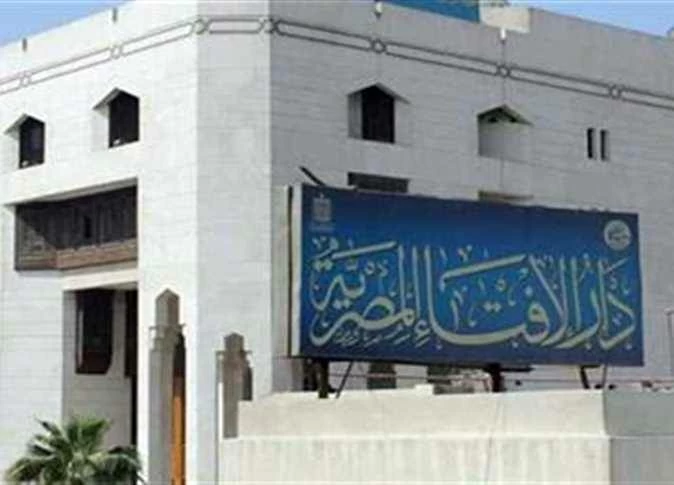
Egyptian cleric Sheikh Owaidah Osman, a fatwa expert at the Egyptian Dar al-Ifta, has shed light on the Islamic ruling regarding hanging photographs of deceased individuals within homes. This comes amid concerns that such images may prevent angels from entering a household. In a recent television appearance on the "Fatwa of the People" program aired on the People channel, Sheikh Osman clarified that displaying photographic images of the deceased does not constitute a sin or prohibition.
According to Sheikh Osman, photographic images are distinct from the type of images prohibited in a hadith, which states that angels do not enter a house containing a dog or an image. The cleric emphasized that photographic images are merely "captured shadows" and do not obstruct the entry of angels into a home. This distinction is crucial in understanding the legitimacy of displaying such images within homes.
However, Sheikh Osman pointed out a specific circumstance under which it is preferable to remove a deceased person's photograph from a home. If the image serves as a constant reminder of grief and adversely affects the household members, it is advisable to remove it. Conversely, if viewing the photograph encourages remembrance of the deceased, prayer for them, and compassion, then there is no objection to retaining and displaying it.
The cleric further elaborated on the ruling concerning inanimate objects and ornaments within homes. He specified that complete statues are prohibited, whereas ornaments and certain antique pieces that do not take the form of a complete statue are permissible. This differentiation is essential for understanding what types of decorative items are acceptable under Islamic guidelines.
The discussion by Sheikh Osman aims to provide clarity on a matter that has sparked debate and curiosity among many. By distinguishing between photographic images and statues or three-dimensional representations, the cleric has provided guidance that may help individuals make informed decisions about displaying photographs of deceased loved ones in their homes.
In Islamic tradition, the presence of certain objects or images can influence the spiritual atmosphere within a home. The role of angels and their interaction with human dwellings is a subject of interest and concern for many. By addressing these concerns, Sheikh Osman's explanations contribute to a better understanding of how to reconcile traditional Islamic teachings with contemporary practices.
Ultimately, the guidance provided by Sheikh Osman underscores the importance of intention and impact in determining the permissibility of displaying photographs of the deceased. If the intention is to honor the memory of the deceased and foster a positive, reflective atmosphere, then such images can be a meaningful part of a home. Conversely, if they evoke undue grief or serve as a distraction, it may be advisable to handle them differently.
Key points
- The Egyptian Dar al-Ifta has clarified that hanging photographic images of deceased individuals in homes does not constitute a sin, as long as the images do not take the form of statues or three-dimensional representations.