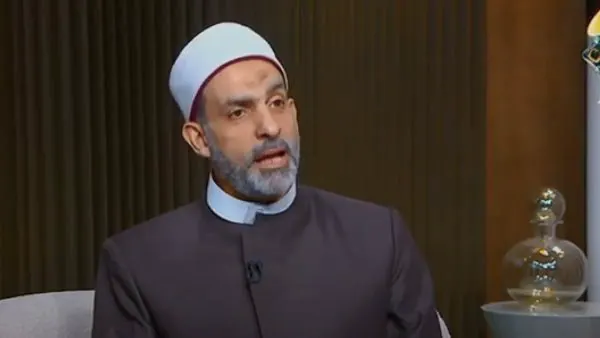
Dr. Ali Fakhr, a senior cleric at Egypt's Dar Al-Ifta, has addressed a question regarding whether a wife is considered sinful if she cuts ties with her husband due to infidelity and lack of financial support. In a recent television appearance on the program "Fatwaa Al-Nas," broadcast on Al-Nas Channel, Dr. Fakhr provided a nuanced explanation of the Islamic perspective on this issue. He emphasized that such situations involve multiple aspects, including the husband's grave sin of infidelity and his failure to provide for his wife.
According to Dr. Fakhr, the husband's actions constitute a significant breach of his marital obligations and Islamic duties. The cleric stressed that the husband must repent sincerely for his actions, as they are considered a grave sin in the eyes of God. This repentance requires genuine remorse and a commitment not to repeat the offense. Dr. Fakhr clarified that the wife, in turn, is obligated to attempt to end the rift and avoid prolonging the separation.
Dr. Fakhr highlighted that the husband is legally and Islamically bound to provide for his wife, as she is considered an entrusted responsibility. He emphasized that it is not permissible for the husband to shirk this duty. Conversely, the wife should strive to resolve the issue and not unilaterally sever ties. The cleric encouraged both parties to seek reconciliation, with the party initiating reconciliation being rewarded.
In cases where the husband refuses to reform and continues to neglect his responsibilities, Dr. Fakhr stated that the wife is not considered sinful. He particularly noted that if the husband fails to provide financial support, the wife's actions are justified. Nevertheless, Dr. Fakhr recommended that the wife continue to offer guidance and pray for her husband's guidance.
Dr. Fakhr suggested that couples in such situations may benefit from seeking mediation from a wise and impartial individual, either from within their family or outside it. This mediator can help facilitate reconciliation and bring the parties closer together. He underlined the importance of addressing all aspects of the issue and not focusing on a single facet.
The cleric acknowledged that if the wife chooses to endure the situation, she is not considered sinful. However, if she determines that continuing the marriage is not feasible, she should explore available Islamic options while considering her own well-being and that of her family. Dr. Fakhr's guidance aims to provide clarity on the Islamic stance regarding marital disputes and obligations.
Ultimately, Dr. Fakhr's counsel emphasizes the importance of mutual understanding, reconciliation, and adherence to Islamic principles in resolving marital conflicts. By seeking guidance from Islamic scholars and exploring available options, couples can work towards resolving their disputes and strengthening their relationships.
Key points
- A wife is not considered sinful if she cuts ties with her husband due to his infidelity and lack of financial support.
- The husband is Islamically obligated to provide for his wife and repent for his actions if he has been unfaithful.
- Seeking mediation from a wise and impartial individual can help facilitate reconciliation in marital disputes.