Located in the Beheira governorate, Rashid is a city where history and daily life blend seamlessly. As you enter the city, you are greeted by the historic Dehliz Al-Malik street, lined with ancient buildings that tell stories of a bygone era. The city's strategic location on the banks of the Nile River has made it a significant site throughout history. From the French campaign in 1807 to the discovery of the Rosetta Stone, Rashid has played a vital role in shaping Egypt's history. The city's architecture, a blend of Islamic and ancient styles, reflects its rich cultural heritage.
Rashid is perhaps best known for the defeat of the British campaign in 1807, led by General Frazier. The city's residents put up a fierce resistance, forcing the British to retreat. This historic event is still commemorated today, with the city's residents proudly proclaiming, "Here, the British were defeated." The city's historic sites, including the Zaghloul Mosque, are a testament to its bravery and resilience. The mosque, in particular, is a symbol of the city's resistance against foreign occupation.
The city's historic significance extends beyond its military victories. Rashid is also famous for its well-preserved ancient homes and mosques, which showcase the city's unique architectural style. The Qaitbay Fort, built in 1482, is another notable landmark that has played a significant role in the city's history. The fort was built to protect the city's coastline and later became associated with the discovery of the Rosetta Stone.
The Rosetta Stone, discovered in 1799, is one of the most significant archaeological discoveries in Egyptian history. The stone, inscribed with a decree issued by Egyptian pharaoh Ptolemy V, helped scholars decipher the hieroglyphics of ancient Egypt. Today, visitors can see the stone at the Egyptian Museum in Cairo, but its connection to Rashid remains an essential part of the city's history.
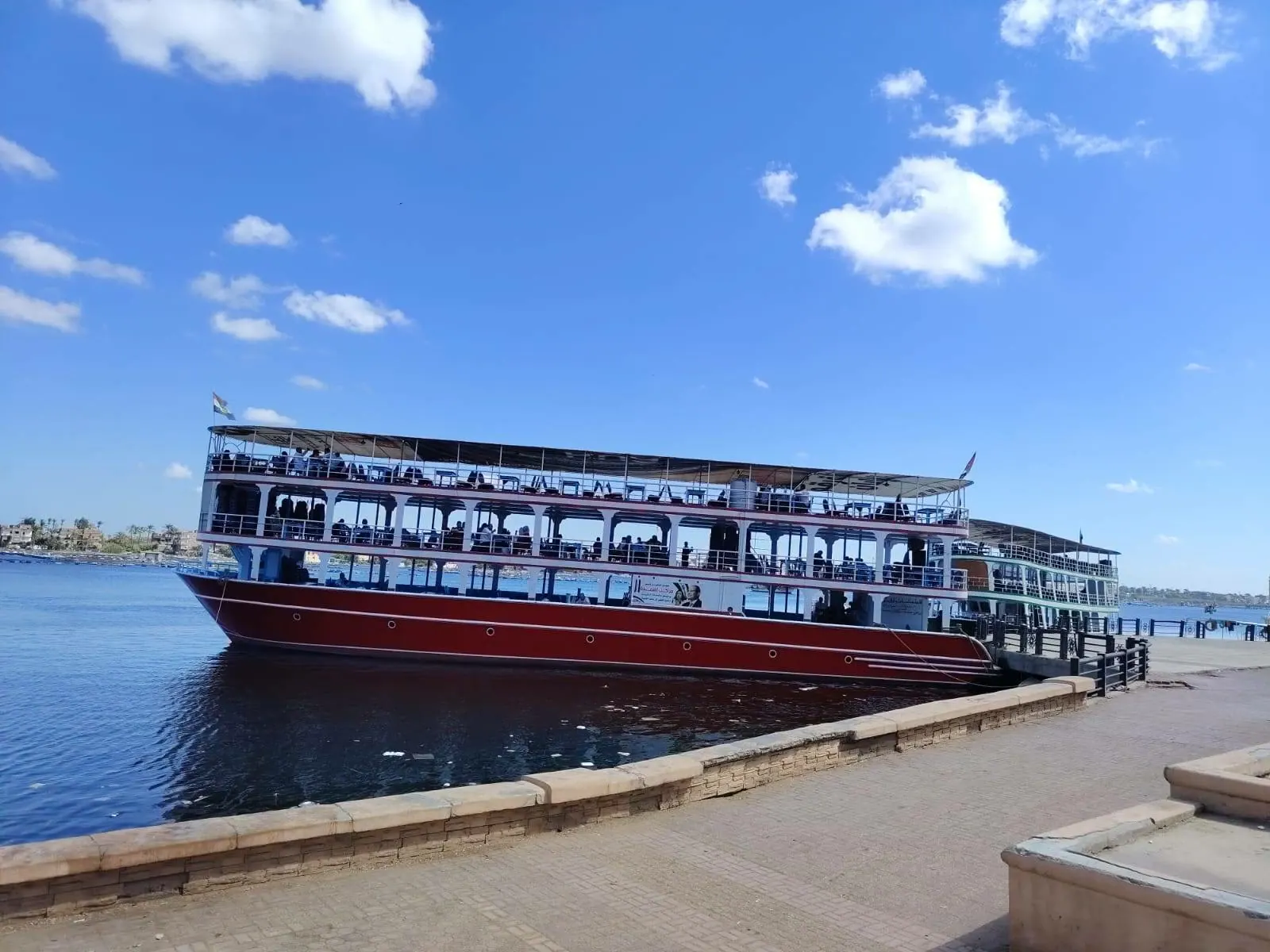
In recent years, Rashid has undergone significant development, with a focus on preserving its historic sites while modernizing its infrastructure. The city's Nile Corniche, a scenic promenade along the riverbank, has been extended to provide a picturesque view of the city. The corniche has become a popular spot for locals and tourists alike, offering a glimpse into the city's rich history and its vibrant present.
In February 2026, Rashid's historic homes were added to the Islamic World's Cultural Heritage List by the Islamic Educational, Scientific and Cultural Organization (ISESCO). This recognition reflects the city's cultural significance and its importance as a historic site. The city's residents and visitors can now enjoy a stroll along the Nile, taking in the sights and sounds of this ancient city.
Today, Rashid is a city that seamlessly blends its rich history with its modern-day charm. Visitors can explore the city's historic sites, take a stroll along the Nile, and experience the city's unique culture. With its well-preserved architecture, vibrant atmosphere, and stunning natural beauty, Rashid is a must-visit destination for anyone interested in exploring Egypt's rich history and heritage.
Key points
- The city of Rashid was a key site in the French campaign of 1807 and the discovery of the Rosetta Stone in 1799.