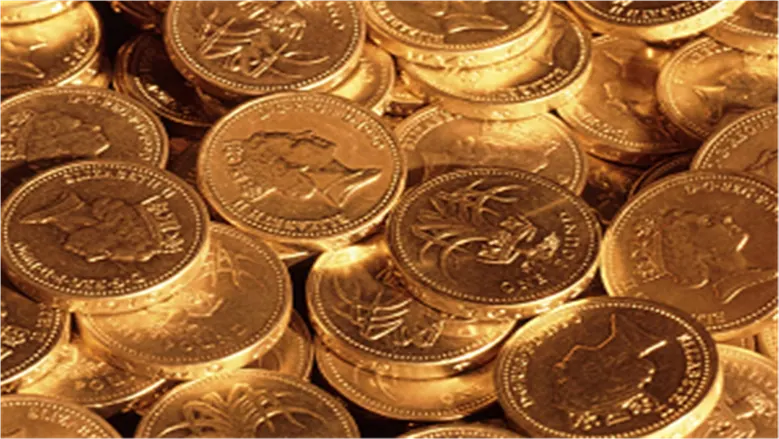
In Egypt, a type of locally-made gold coin, known as the "baladi gold coin," has gained popularity among citizens. However, experts are warning people about the risks associated with buying these coins. According to Gold Bullion, a platform that provides information on gold prices and market trends, these coins are manufactured in small workshops within the goldsmithing industry, unlike official gold coins produced by large companies.
The main difference between baladi gold coins and those produced by well-known companies is the lack of regulation and oversight. Unlike official gold coins, baladi gold coins are not stamped by the Egyptian government's Department of Stamping and Weighing, which is responsible for ensuring the authenticity and quality of gold products. This lack of regulation raises concerns about the potential for counterfeit or low-quality coins.
Citizens who purchase baladi gold coins may be exposed to several risks. For instance, the coins may not be made of the advertised gold content, and their weight may be less than what is claimed. Additionally, these coins do not have a protective coating, and their manufacturing costs, which include labor and materials, can range from 200 to 300 Egyptian pounds. Furthermore, there is no guarantee or cashback policy if the coins are resold.
The quality and authenticity of baladi gold coins are major concerns. Their gold content may be lower than that of official gold coins, by as much as one or two carats. Moreover, the weight of these coins is typically less than 8 grams, which is the standard weight of official gold coins. As a result, citizens are advised to exercise caution when purchasing baladi gold coins and to be aware of the potential risks.
To minimize risks, experts recommend that citizens only buy baladi gold coins from reputable dealers and sellers. It is also crucial to ensure that the coins are purchased from the same dealer or shop if they need to be resold in the future. This can help prevent potential scams or fraudulent activities. Moreover, citizens should be aware that the resale value of these coins may be lower than their original purchase price.
The Egyptian government has not issued any specific warnings or regulations regarding baladi gold coins. However, experts advise citizens to be cautious when investing in these coins and to consider alternative, more secure investment options. Gold is a popular investment choice in Egypt, and citizens should prioritize purchasing high-quality, officially recognized gold products to minimize risks.
In conclusion, while baladi gold coins may seem like an attractive investment option, citizens should be aware of the potential risks and take necessary precautions. By understanding the differences between baladi gold coins and official gold coins, and by exercising caution when purchasing these coins, citizens can make informed investment decisions and minimize potential losses.
Key points
- The Egyptian government does not regulate or stamp baladi gold coins, which raises concerns about their authenticity and quality.
- Baladi gold coins may have a lower gold content and weight than official gold coins.
- Citizens are advised to exercise caution when purchasing baladi gold coins and to consider alternative investment options.