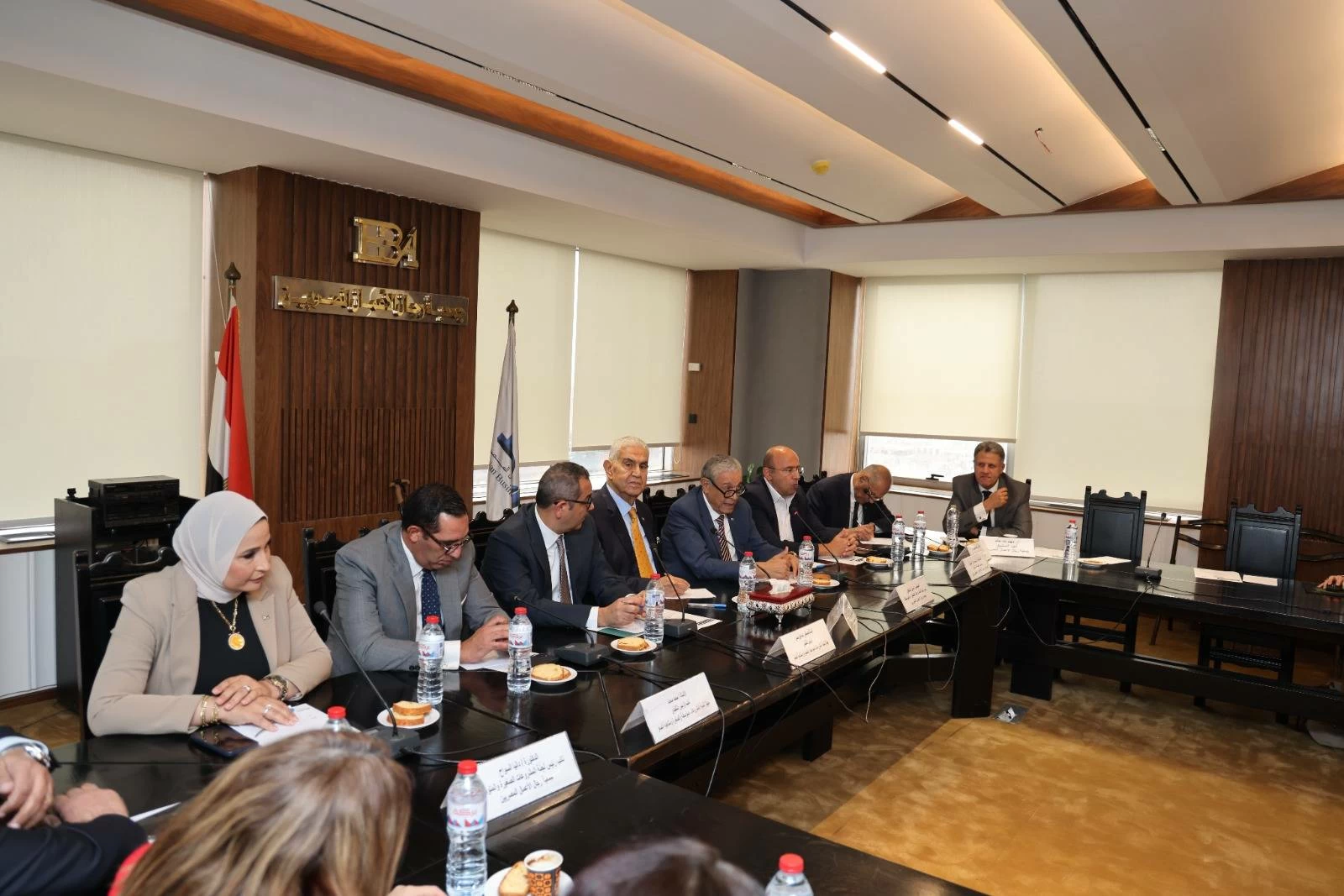
The Egyptian business community has announced a comprehensive plan to boost exports and create new job opportunities. According to Majeed El-Manzalawi, Secretary-General of the Egyptian Businessmen's Association, increasing the local component is a top priority. The association aims to support small and medium-sized enterprises, which are crucial for economic growth. This initiative comes as the country prepares to implement a law favoring local products, which is expected to stimulate the growth of supporting industries and reduce imports.
The engineering and small projects committee of the association highlighted the significance of small and medium-sized enterprises in the Egyptian economy. These enterprises account for 40% of the national income and provide employment for 35 million people, or 70% of the workforce. However, their contribution to exports is limited to only 4%. The committee emphasized that Egypt needs 1.3 million new job opportunities annually, but the small and medium-sized enterprise sector can only provide around 500,000 jobs.
The businessmen's association identified several challenges hindering the growth of small and medium-sized enterprises. One major obstacle is the lack of investment in reverse engineering, which prevents these companies from replacing imported production components with locally manufactured ones. Furthermore, a significant portion of the sector operates outside the formal economy, potentially contributing up to 70% of the national income if the parallel economy is taken into account.
To address these challenges, the association's representatives proposed several solutions. They called for financial incentives to integrate small and medium-sized enterprises into the formal economy and facilitate access to loans. The focus should also be on exporting services and software, similar to India's experience. Mustafa Hassan, CEO of the Small Projects Authority, announced plans to increase the authority's financing portfolio, with a focus on the industrial sector.
The Small Projects Authority has made significant progress in supporting small and medium-sized enterprises. According to Mohamed Medhat, deputy CEO, 40% of the authority's recent financing went to industrial projects. The authority has also successfully licensed 2,500 companies, integrating them into the formal economy and making them eligible for incentives under Law 152. The authority aims to provide specialized technical support to companies, enabling them to obtain global quality certificates and access foreign markets.
The businessmen's association also emphasized the importance of implementing policies that support small and medium-sized enterprises. They called for the activation of local product preferences in government contracts and financing for companies to obtain the required carbon footprint certificates for exporting to Europe. Additionally, they suggested reviewing the definitions of small and medium-sized enterprises and unifying them between the Central Bank and the Small Projects Authority.
The businessmen's association believes that integrating small and medium-sized enterprises into the supply chains of large factories is crucial for their growth. They cited the experience of General Motors as an example of successful integration. By implementing these policies and solutions, the Egyptian business community aims to increase exports, create new job opportunities, and stimulate economic growth. The association's efforts are expected to have a positive impact on the country's economy.
Key points
- The Egyptian business community aims to create 1.3 million new job opportunities annually through the growth of small and medium-sized enterprises.
- Small and medium-sized enterprises account for 40% of Egypt's national income and provide employment for 35 million people.
- The sector's contribution to exports is limited to only 4%, and the businessmen's association is working to increase this share.