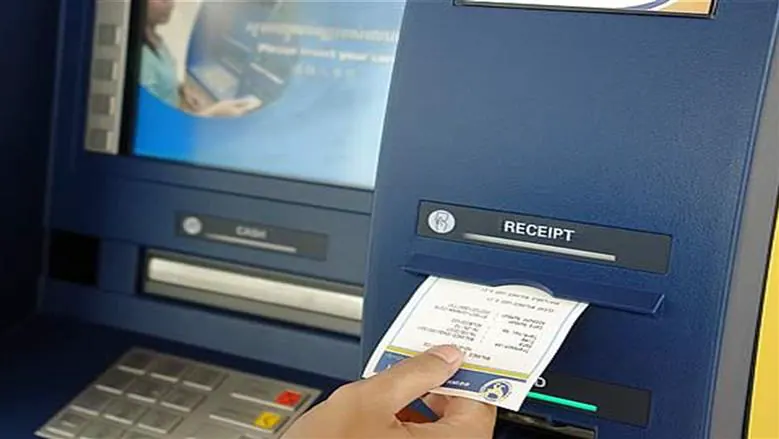
Many Egyptians discard ATM receipts without a second thought, but these papers hold crucial information. Banks across the country are urging citizens to hold onto these receipts, as they contain vital data that can be useful in case of any issues with transactions. The receipts are often carelessly thrown away after a transaction is completed.
According to several Egyptian banks, the first key piece of information on an ATM receipt is the transaction ID. This unique identifier can be used to track and review transactions, helping to resolve issues such as missing funds or incorrect withdrawals. In case of discrepancies, customers can provide the transaction ID to their bank to facilitate an investigation.
Another important detail on ATM receipts is the terminal ID, which identifies the specific ATM machine used for the transaction. This information can help customers and banks pinpoint the exact machine involved in a transaction, making it easier to address any problems that may arise. The terminal ID can be particularly useful in cases where a customer disputes a transaction.
ATM receipts also display the last four digits of the bank card used for the transaction. This helps customers verify which card was used, especially if they have multiple cards linked to their accounts. By keeping the receipt, customers can ensure that the correct card was used and that the transaction was legitimate.
Some ATM receipts may also show the available balance in the customer's account after the transaction has been completed. This allows customers to verify their account balance and compare it to the information displayed through their bank's mobile app or online channels. By doing so, customers can quickly identify any discrepancies.
The date and time of the transaction are also printed on ATM receipts, providing a record of when the transaction took place. This information is essential in case customers need to review or dispute a transaction, as it helps to establish a timeline of events. By keeping the receipt, customers can ensure that their records are accurate and up-to-date.
In conclusion, Egyptian banks are advising customers to keep their ATM receipts as they contain valuable information. The five key pieces of information on receipts are transaction ID, terminal ID, last four digits of the bank card, available balance, and date and time of the transaction. By holding onto these receipts, customers can protect themselves and facilitate smoother transactions.
Key points
- Egyptian banks stress the importance of keeping ATM receipts to track transactions and resolve issues.
- ATM receipts contain five key pieces of information: transaction ID, terminal ID, last four digits of the bank card, available balance, and date and time of the transaction.
- Keeping ATM receipts can help customers verify their account balance and identify discrepancies.