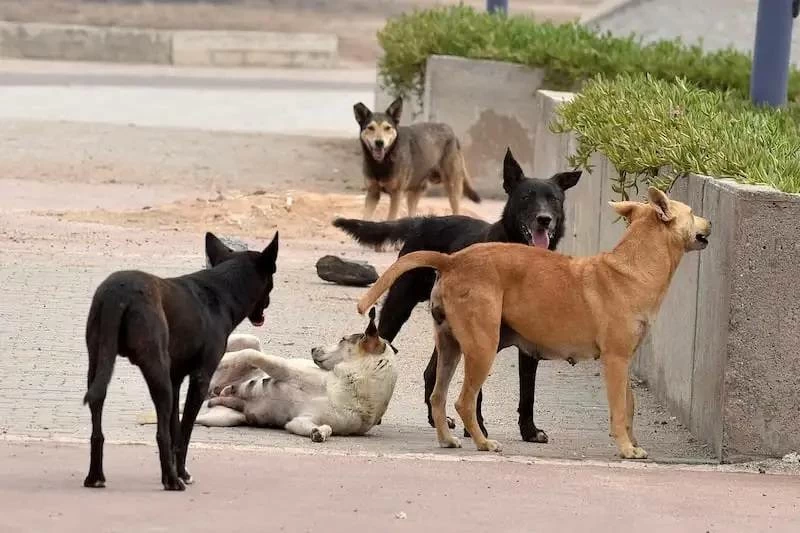
The Giza Veterinary Medicine Directorate has announced a three-month plan to address the growing issue of stray dogs in the region. In collaboration with local civil society organizations and the Cairo University Veterinary Medicine College, the directorate aims to vaccinate stray dogs against rabies, sterilize them, and issue licenses to their owners. This initiative seeks to minimize the risks associated with stray dog bites and promote a balanced ecosystem.
According to recent statistics, the directorate has been working with eight shelters and 24 animal sales facilities to implement these measures. During the past three months, the campaigns have made significant progress, with 621 stray dogs and 1326 owned dogs vaccinated against rabies in July alone. Additionally, 268 dogs were licensed, and 90 dogs were sterilized. These efforts continued in August and September, with 601 stray dogs and 1054 owned dogs vaccinated, 327 dogs licensed, and 86 dogs sterilized in August.
The directorate's efforts have been focused on addressing the risks posed by stray dogs to public safety. In September, 795 stray dogs and 739 owned dogs were vaccinated, 156 dogs were licensed, and 192 dogs were sterilized. These numbers demonstrate the scale of the challenge and the importance of sustained efforts to address the issue. The directorate has emphasized its commitment to working with local stakeholders to ensure the success of these initiatives.
Dr. Mohamed Faris, Director of the Giza Veterinary Medicine Directorate, has stressed the importance of these campaigns in ensuring public safety and preventing the risks associated with stray dog bites. He noted that the directorate's efforts go beyond vaccination against rabies, also involving the evaluation and monitoring of dog health as part of preventative measures against diseases that pose a threat to citizens.
The Giza Veterinary Medicine Directorate is working closely with local civil society organizations and the Cairo University Veterinary Medicine College to implement these measures. The collaboration involves vaccinating and sterilizing dogs in designated shelters. This multi-faceted approach aims to address the root causes of the stray dog issue and promote a more balanced ecosystem.
The issue of stray dogs has significant implications for public health and safety in Egypt. The Giza governorate's efforts to address this challenge are part of a broader national strategy to promote animal welfare and prevent the spread of diseases. By working with local stakeholders and international partners, the Egyptian authorities aim to develop effective solutions to this complex issue.
The success of these initiatives will depend on sustained efforts and collaboration between local authorities, civil society organizations, and the public. The Giza Veterinary Medicine Directorate has emphasized its commitment to transparency and accountability in its efforts to address the stray dog issue, with regular updates on progress and outcomes.
Key points
- The Giza governorate has launched a three-month plan to address the stray dog issue through vaccination, sterilization, and licensing programs.
- The initiative has made significant progress, with over 2000 dogs vaccinated against rabies and 500 dogs sterilized in the past three months.
- The directorate is working closely with local civil society organizations and the Cairo University Veterinary Medicine College to implement these measures.