In recent months, Egypt has witnessed a surge in phone scams targeting bank customers, with the majority of cases reported in the province of Minya. The scams typically involve individuals claiming to be customer service representatives from banks, requesting that victims update their personal and banking information. Despite warnings from banks and law enforcement agencies, many people have fallen prey to these scams, resulting in significant financial losses. According to the Ministry of Interior, the scams often involve victims being contacted by scammers who claim to be able to assist them in obtaining loans or resolving issues with their accounts.
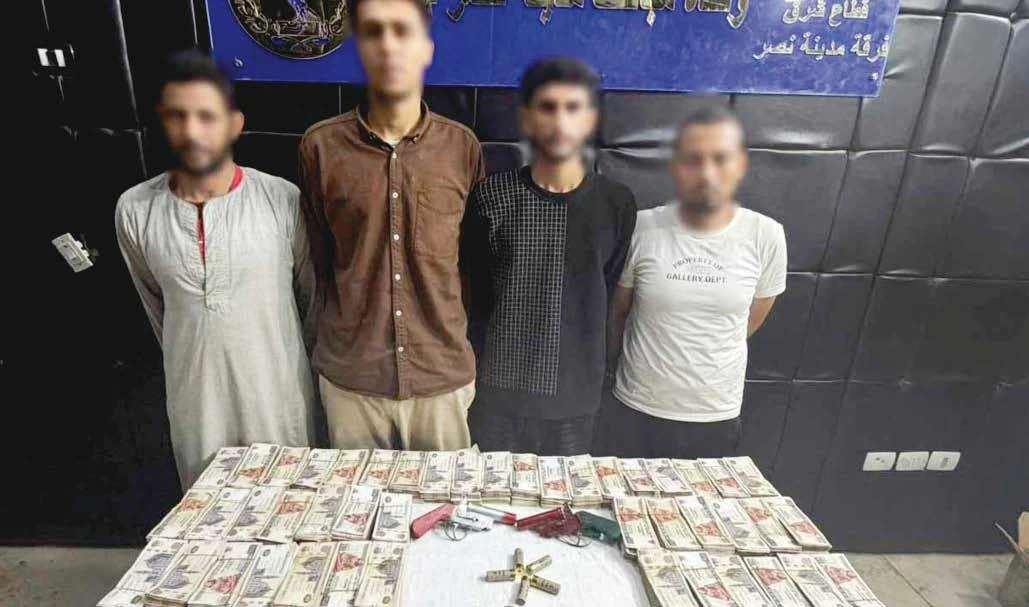
The Ministry of Interior's efforts to combat these scams have led to the arrest of several individuals, including a group of four people who were accused of running a phone scam targeting bank customers in Minya. The suspects, who were arrested in the town of El-Edwa, were found to have used mobile phones and SIM cards to contact their victims and convince them to disclose their personal and banking information. The Ministry reported that the suspects had managed to steal significant amounts of money from their victims, with some estimates suggesting that the total losses exceeded EGP 100,000.
According to the Ministry of Interior, the scammers often use sophisticated tactics to convince their victims to disclose sensitive information. They may claim to be able to assist the victim in obtaining a loan or resolving an issue with their account, and may even provide fake information and documentation to support their claims. In some cases, the scammers may also use threats or intimidation to obtain the information they need. The Ministry warned that these scams can have serious consequences for victims, including financial losses and identity theft.
Experts warn that phone scams are becoming increasingly sophisticated, making it difficult for victims to distinguish between legitimate and fake calls. They advise people to be cautious when receiving unsolicited calls from individuals claiming to be from banks or other organizations, and to never disclose sensitive information over the phone. Additionally, experts recommend that people keep their personal and banking information up to date, and to regularly monitor their accounts for suspicious activity.
The Egyptian government has launched a campaign to raise awareness about the risks of phone scams and to educate people on how to protect themselves. The campaign, which is being implemented by the Ministry of Interior and other government agencies, includes public awareness campaigns and educational programs aimed at teaching people how to identify and avoid phone scams. The government has also established a hotline for people to report suspected phone scams, and has urged people to be vigilant and to report any suspicious activity.
According to Lieutenant General Mahmoud El-Rashidi, a former assistant to the Minister of Interior, the key to preventing phone scams is to educate people about the risks and to encourage them to be cautious when receiving unsolicited calls. He also emphasized the importance of cooperation between law enforcement agencies and the private sector in combating these scams. El-Rashidi added that the Ministry of Interior is working to develop new strategies to combat phone scams, including the use of advanced technology to track and identify scammers.
The Egyptian authorities have urged people to remain vigilant and to report any suspicious activity to the authorities. They have also emphasized the importance of protecting personal and banking information, and have warned that anyone found to be involved in phone scams will face severe penalties. The authorities have also called on banks and other organizations to take steps to protect their customers from phone scams, including implementing additional security measures and providing education and awareness programs to help prevent these scams.
Key points
- The Egyptian authorities have arrested several individuals accused of running phone scams targeting bank customers, with the majority of cases reported in the province of Minya.
- The scams typically involve individuals claiming to be customer service representatives from banks, requesting that victims update their personal and banking information.
- Experts warn that phone scams are becoming increasingly sophisticated, making it difficult for victims to distinguish between legitimate and fake calls.