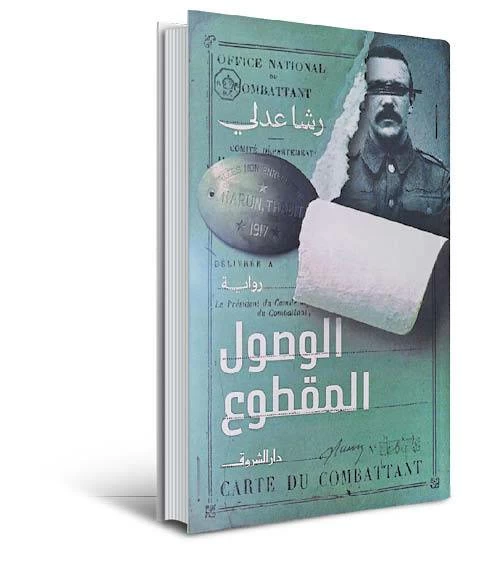
A recent book titled "Al-Wusool Al-Maqtool" (The Cut Off Arrival) by Egyptian author Rasha Adly has brought to light the tragic story of 100,000 Egyptian farmers who were forced to fight in World War I. The book, published by Dar Al-Shorouk, is a historical and literary work that recounts the experiences of these farmers who were taken from their villages and sent to the battlefields of Europe. Adly's work is based on extensive research and explores the human cost of the war on ordinary Egyptians.
The book's narrative is structured around two parallel timelines, one set in 2023 Cairo and the other in the trenches of World War I. The story follows a human rights lawyer named Leila, who becomes obsessed with uncovering the truth about the Egyptian workers who were forced to fight in the war. Through Leila's character, Adly explores the themes of justice, memory, and the power of storytelling. The book also delves into the lives of the workers themselves, who were subjected to harsh conditions and treated as second-class citizens by their British colonial rulers.
Adly's research reveals that the Egyptian workers were not just ordinary laborers, but were in fact a crucial part of the British war effort. They were responsible for building trenches, repairing ships, and maintaining supply lines, all while facing extreme hardship and danger. Despite their important contributions, the workers were largely forgotten by history, and their stories were not documented until now. Adly's book is a testament to their struggles and sacrifices, and serves as a reminder of the human cost of war.
The book also explores the psychological toll of the war on the workers, who were subjected to forced labor, physical abuse, and psychological trauma. Adly's research shows that the workers were often treated as inferior beings by their British colonizers, who saw them as nothing more than cheap labor. The book highlights the ways in which the workers resisted their oppressors, using music, theater, and other forms of creative expression to cope with their circumstances.
Adly's work is not just a historical account, but also a call to action. The book highlights the ongoing struggles of human rights and social justice, and serves as a reminder of the importance of preserving historical memory. Through her research and writing, Adly aims to give a voice to the voiceless and to shed light on the darkest corners of history. The book is a powerful tribute to the Egyptian workers who fought and died in World War I, and serves as a testament to the enduring power of human resilience.
The book's impact extends beyond the academic and literary communities, as it has sparked a wider conversation about the role of Egypt in World War I and the experiences of its soldiers. Adly's work has been praised for its meticulous research and engaging narrative, which brings the story of the Egyptian workers to life. The book has also been recognized for its contribution to the field of human rights and social justice, and has been hailed as a landmark work in the study of Egyptian history.
The book's author, Rasha Adly, is a prominent Egyptian writer and researcher, known for her work on human rights and social justice. Her latest book is a culmination of years of research and writing, and serves as a testament to her dedication to uncovering the truth about Egypt's past. Through her work, Adly aims to inspire a new generation of readers and researchers to explore the complexities of Egyptian history and to shed light on the stories that have been forgotten or overlooked.
Key points
- The book "Al-Wusool Al-Maqtool" sheds light on the tragic story of 100,000 Egyptian farmers who were forced to fight in World War I.
- The book is based on extensive research and explores the human cost of the war on ordinary Egyptians.
- The book serves as a testament to the enduring power of human resilience and the importance of preserving historical memory.