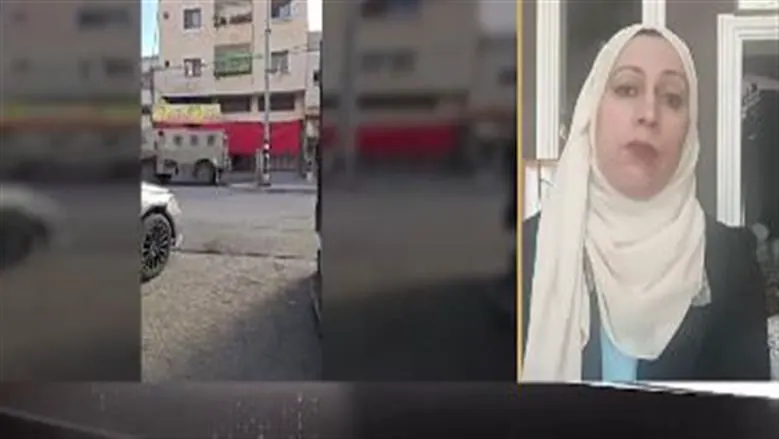
Dr. Tamara Haddad, a political writer and analyst, has expressed concerns about the future of the West Bank following recent statements by Israeli minister Bezalel Smotrich. Smotrich's comments suggested that what has been happening in the Gaza Strip should also be implemented in the West Bank. This has sparked fears about the trajectory of the Israeli-Palestinian conflict and the future of the West Bank. Haddad's analysis highlights the potential implications of Smotrich's statements on the region.
According to Haddad, Smotrich's statements reflect a desire to continue the Israeli project in the West Bank, which she believes includes efforts to annex parts of the territory. This comes as Smotrich and his political allies, including Itamar Ben-Gvir and Benjamin Netanyahu, seek to preserve their political coalition. The analyst suggests that Smotrich's comments are aimed at reassuring right-wing voters that the current political path will continue if the current coalition returns to power.
Haddad also noted that while the Israeli opposition may have more seats than Netanyahu's Likud party, forming an alternative government is not straightforward. The opposition parties have yet to agree on a leader for a potential new government. Meanwhile, Netanyahu is working to solidify his position among right-wing voters, while Smotrich continues to emphasize his commitment to his political allies.
The analyst warned that if this approach continues, it may lead to further implementation of the Israeli project in the West Bank. This could involve annexing more land or making significant changes to the territory's geography and demographics. Haddad's comments highlight the potential risks and challenges facing the West Bank and the Israeli-Palestinian conflict.
Smotrich's statements have sparked concerns about the potential for further escalation in the region. The Israeli minister's comments have been seen as a reflection of the current Israeli government's policies and its approach to the West Bank. Haddad's analysis suggests that these policies may have significant implications for the future of the territory and its inhabitants.
The Egyptian analyst also emphasized that Smotrich's commitment to his political allies is a key aspect of his strategy. By reassuring right-wing voters that the current political path will continue, Smotrich aims to maintain his position within the Israeli coalition. This approach may have significant implications for the future of the Israeli-Palestinian conflict and the West Bank.
In conclusion, Dr. Tamara Haddad's analysis highlights the concerns surrounding Smotrich's statements and their implications for the future of the West Bank. The analyst's comments underscore the need for careful consideration of the potential risks and challenges facing the region. As the situation continues to unfold, it remains to be seen how Smotrich's statements will impact the Israeli-Palestinian conflict and the future of the West Bank.
Key points
- Smotrich's statements reflect a desire to continue the Israeli project in the West Bank.
- The Israeli opposition may have more seats than Netanyahu's Likud party, but forming an alternative government is not straightforward.
- Smotrich's commitment to his political allies is a key aspect of his strategy.