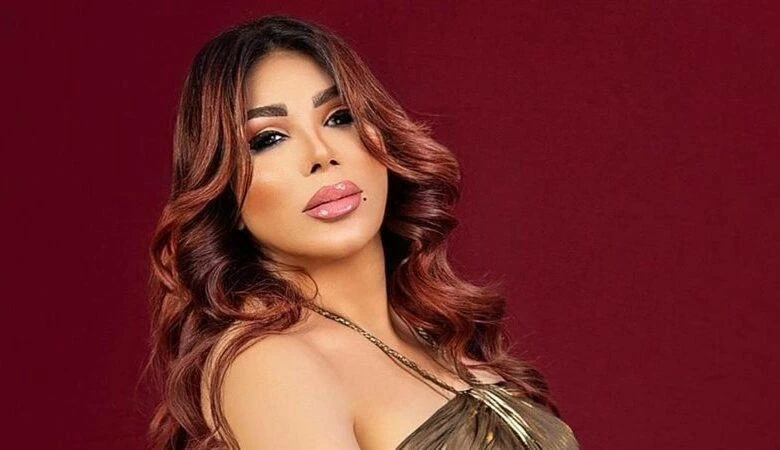
Egyptian actress Ghada Ibrahim recently took to social media to express her discontent with the online encyclopedia Wikipedia, citing inaccuracies in the information published about her. In a post on her Facebook account, Ibrahim questioned the reliability and credibility of the website, accusing it of "deception, forgery, and fabrication." She specifically mentioned that her age was incorrectly stated on the platform.
Ibrahim's frustration stems from the biography page on Wikipedia, which she claims contains false information about her life and career. The actress, who has been in the industry for many years, expressed her disappointment that a platform like Wikipedia, which is often used as a reference by journalists and researchers, would publish such inaccurate data. She reminisced about a now-defunct website that provided reliable and verified information on Egyptian cinema and arts.
The actress went on to criticize the individuals responsible for maintaining Wikipedia's content, describing them as "mercenaries" with no conscience or integrity. Ibrahim's post was accompanied by several hashtags, including "Wikipedia is a forgery" and "Internet investigation unit." She also tagged several official Facebook pages, including that of the Egyptian Ministry of Interior's unit for combating forgery and deception.
Ibrahim has been an active figure in Egyptian entertainment for many years, with a career spanning film, television, and theater. Her outburst on social media has sparked a heated debate about the reliability of online sources and the importance of fact-checking. While some have defended Wikipedia's open-editing model, others have expressed support for Ibrahim, emphasizing the need for accuracy and accountability in online publishing.
The controversy surrounding Ibrahim's Wikipedia page highlights the challenges of maintaining accurate information in the digital age. With the proliferation of online sources, it has become increasingly difficult to verify the accuracy of information, particularly when it comes to public figures like celebrities. Ibrahim's case serves as a reminder of the importance of fact-checking and the need for greater accountability in online publishing.
In her post, Ibrahim also referenced a now-defunct website that was known for its reliable and verified information on Egyptian cinema and arts. The website, which was founded by the late Egyptian director Alaa Mahjoub, was widely regarded as a trusted source of information for journalists and researchers. Ibrahim's comments suggest that she believes Wikipedia has failed to live up to the standards set by such reputable sources.
As of now, it is unclear whether Wikipedia will take steps to correct the inaccuracies on Ibrahim's page or address her concerns about the website's reliability. However, the controversy has sparked a wider conversation about the importance of accuracy and accountability in online publishing. Ibrahim's case serves as a reminder that public figures have a right to accurate representation online and that platforms like Wikipedia must strive to provide reliable information.
Key points
- Egyptian actress Ghada Ibrahim criticizes Wikipedia for inaccurate information about her age and career.
- Ibrahim expresses frustration with Wikipedia's open-editing model and accuses administrators of "deception, forgery, and fabrication."
- The controversy highlights the challenges of maintaining accurate information online and the need for greater accountability in digital publishing.