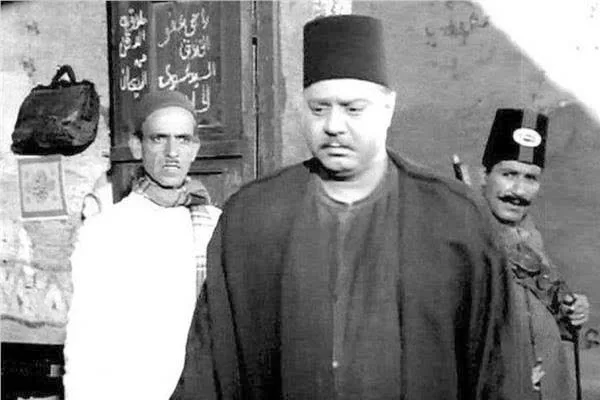
Egyptian actor Salah Mansour, known for his iconic roles, shared his thoughts on his life and career in a candid conversation with journalist Mufid Fouzi, just months before his passing at 56. Recorded on January 5, 1979, the conversation revealed Mansour's introspection on his journey in the entertainment industry. He expressed frustration about being typecast and not receiving fair compensation for his work, despite his experience and skill. Mansour also praised fellow actors, including Mahmoud El-Miligy and Mahmoud Morsi, as geniuses in their field.
The conversation between Mansour and Fouzi was initially intended to be a one-time meeting, but they agreed to continue their discussions every Friday. Due to Mansour's poor health, the recordings took place in his bedroom. The sessions resulted in a treasure trove of insights into Mansour's life, career, and the Egyptian entertainment industry. His comments on the fleeting nature of fame and the importance of leaving a lasting legacy were particularly poignant. Mansour's humility and humanity shone through in his reflections on his craft and the challenges he faced.
Mansour's filmography included a range of notable works, but he admitted to having accepted roles that he was not proud of, solely for financial reasons. He acknowledged that this was a common practice in the industry, where actors often compromise their artistic vision for financial stability. Mansour's comments were echoed years later by actor Nour El-Sherif, who noted that participating in a film, no matter how insignificant, could guarantee a steady income. However, Mansour emphasized that this approach could also lead to being forgotten if one failed to consistently produce quality work.
Beyond his on-screen persona, Mansour was a complex individual with a deep sense of empathy and compassion. His emotional response to being honored by President Anwar El-Sadat with the Order of Sciences and Arts was a testament to his kind heart. Mansour had presented his son, a martyr of the 1973 war, to Egypt, and the President had also arranged for his younger son's medical treatment at the state's expense. Mansour's love for his children was evident, and his passing left a void in the lives of those who knew him.
Mansour's appeal to the art community to rediscover him and appreciate his body of work was a recurring theme in his conversation with Fouzi. He cited the enduring popularity of actors like Abdul Salam El Nabulsy, Sharif Nattah, and Abdul Fattah El Kasri, who had created memorable characters despite limited opportunities. Mansour believed that an actor's true talent lay in their ability to craft a lasting impact, even with brief appearances.
Mansour's early life and education were marked by a desire to pursue a career in the military. He had submitted his application to the Egyptian Military Academy, but his encounter with Zaki Tulaimat, a renowned theater director, altered his path. Tulaimat recognized Mansour's talent and encouraged him to pursue a career in the arts. Mansour went on to work in theater, radio, and film, eventually becoming a beloved and respected figure in Egyptian entertainment.
In his final moments, Mansour's thoughts turned to his loved ones, and he implored them not to mourn his passing. His legacy continues to inspire new generations of actors and artists, who draw on his experiences and insights to inform their own creative journeys. As a testament to his enduring impact, Mansour's story serves as a reminder of the power of art to transcend time and touch the hearts of audiences.
Key points
- Salah Mansour's candid reflections on his life and career offer a unique glimpse into the world of Egyptian entertainment.
- Mansour's legacy extends beyond his iconic roles, showcasing his humanity and vulnerability.
- His story serves as a reminder of the importance of leaving a lasting impact in the arts.